
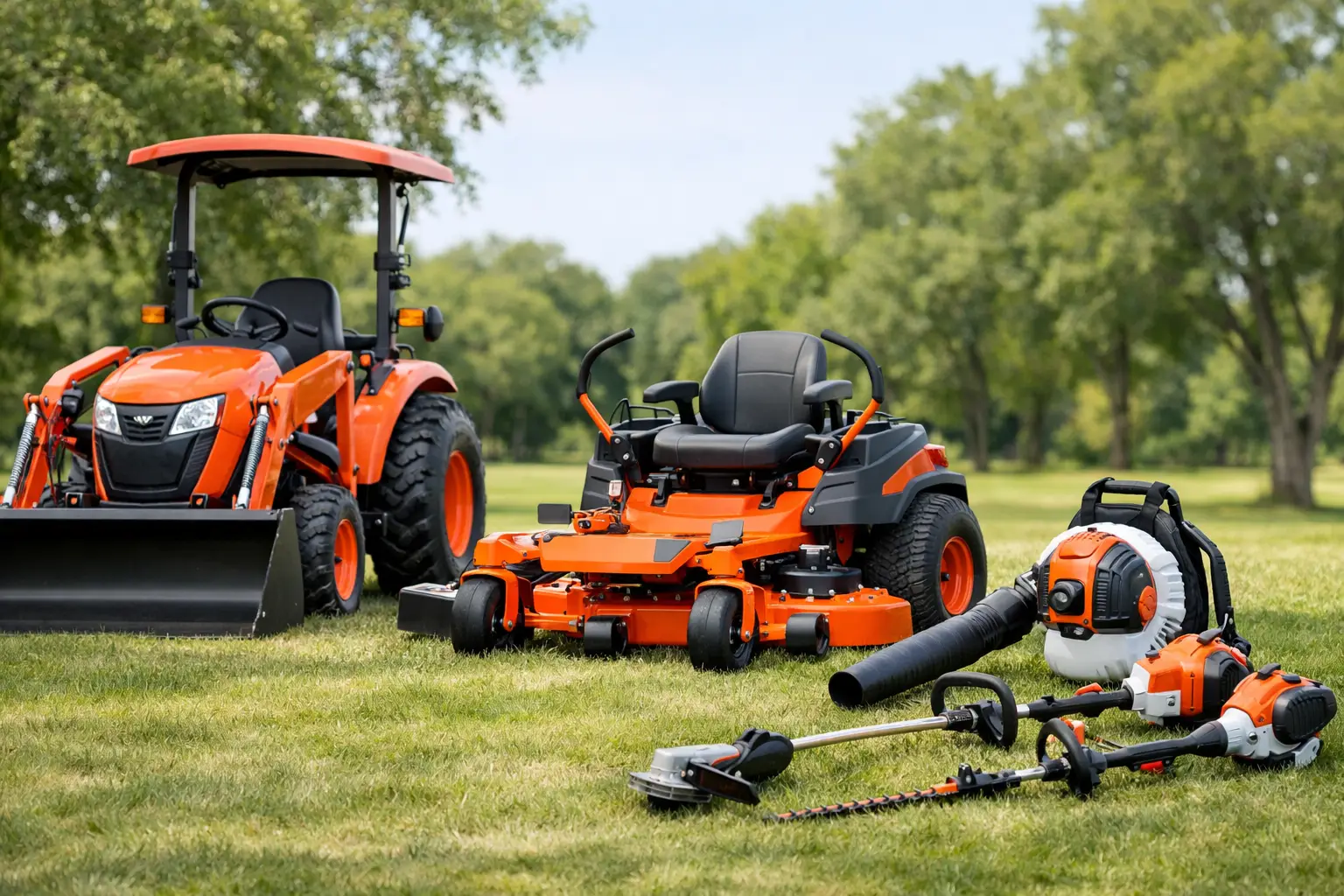
A grounds maintenance equipment comparison should begin with the surface you are protecting, not the machine you have traditionally used. A golf green, stadium pitch, school playing field and broad fairway may all require regular cutting, but they place very different demands on quality of finish, mowing frequency, access, labour and presentation. The right decision is rarely about replacing every existing machine. It is about assigning each task to the equipment that delivers the required standard with the least operational drag.
For professional operators, the central question is straightforward: where does skilled labour add the greatest value, and where can autonomous equipment deliver repeatable work without compromise? That question changes how machinery should be evaluated.
Grounds Maintenance Equipment Comparison by Working Method
Conventional ride-on and pedestrian mowers remain familiar, capable tools. They offer immediate operator control, can respond to a changing work plan and remain useful for tasks requiring judgement, transport between areas or rapid recovery after adverse weather. Their limitation is not cutting capability. It is the dependence on a trained person being available for every mowing hour.
Autonomous robotic mowers approach the task differently. They cut within defined working areas, return to charge when required and can work to a planned schedule. For regularly maintained turf, this creates a more consistent mowing cycle and releases staff from repetitive passes. The strongest case is usually not a single dramatic productivity claim, but a dependable reduction in routine mowing hours over a season.
Remote-controlled equipment sits between the two. It can improve safety and efficiency on banks, rough terrain or areas where an operator would otherwise work in difficult conditions. However, it still requires active supervision, so it does not provide the same labour release as a fully autonomous system.
The best fleet may combine all three approaches. Autonomous mowers can maintain designated greens, fairways, pitches or amenity areas; ride-on equipment can cover changing, high-output requirements; and specialist machines can address slopes, rough or seasonal work. A comparison based solely on purchase price misses this operational reality.
Cut Quality Is Surface Specific
A mower should be assessed against the turf standard required in its assigned area. On fine sports turf and golf surfaces, height consistency, clipping management, direction of cut and the ability to maintain a clean presentation matter more than headline area coverage. A cylinder system may be the appropriate choice where the finish demands precision, particularly on closely managed surfaces.
For larger fairways, outfields and general amenity grass, the priority may shift towards reliable coverage, frequent light cutting and an even visual result across a wide area. Robotic rotary mowing can perform particularly well here because regular operation limits the volume removed in each pass. Small clippings are returned to the sward, supporting a tidy finish without the repeated collection and disposal associated with heavier cuts.
That does not mean one cutting system is universally better. Cylinder mowing remains the benchmark for many premium applications, while rotary machines can offer excellent results when selected for the correct height range, turf type and mowing regime. The decision should follow the maintenance specification, not marketing labels.
Mowing Frequency Changes the Result
Traditional mowing often happens when a team can allocate time to it. Autonomous mowing makes it practical to maintain a more frequent schedule, including operation outside core working hours where site rules allow. This can improve consistency, reduce visible clippings and help prevent the surface from becoming overgrown between cuts.
The trade-off is planning. Robotic equipment needs a properly mapped working area, a sensible charging arrangement and clear operational rules around public access, fixtures and events. These requirements are manageable, but they should be considered before purchase rather than after installation.
Labour Cost Is More Than an Hourly Rate
Labour availability is now a strategic concern for many golf and sports facilities. When a skilled greenkeeper or grounds operative spends several hours each day completing predictable mowing routes, that is time unavailable for renovation, irrigation, disease monitoring, line marking, presentation work and machinery care.
A proper grounds maintenance equipment comparison therefore measures labour in terms of opportunity as well as cost. Ask how many operator hours are required per week during peak growth, how frequently work is interrupted by weather or staffing changes, and which jobs are delayed when the mowing rota becomes demanding.
Autonomous mowers do not remove the need for a capable grounds team. They change how that team is deployed. Staff still inspect turf, manage edges, prepare surfaces for fixtures, maintain machines and make agronomic decisions. The advantage is that routine coverage can continue while people focus on tasks where their experience has greater effect on playing quality and site standards.
For contractors, the calculation can be even more direct. A machine that maintains an area autonomously can help a team cover more contracted work without simply adding more travelling operatives and vehicles. Yet the site must be suitable: access, security, terrain and client expectations all affect the return.
Total Cost of Ownership Matters More Than Ticket Price
Equipment budgets are often judged by capital cost because it is visible and immediate. Over several seasons, however, fuel, routine servicing, wear parts, transport, operator time and downtime can carry equal or greater weight.
Diesel and petrol ride-ons may offer strong output, but their operating costs rise with every staffed hour. They also require refuelling, regular engine maintenance and, in many cases, transport between work areas. Electric autonomous equipment reduces fuel handling and can lower the number of routine labour hours attached to mowing. Its financial case depends on utilisation: a machine working consistently on a suitable site generally offers more value than an underused unit assigned to a poorly defined area.
Consider the full period of ownership. Include installation, operator training, service support, replacement parts, battery life, insurance requirements and the cost of maintaining a fallback plan. For sites with a high presentation standard, the cost of an interrupted mowing programme should also be recognised. A reliable support arrangement is part of equipment value, not an optional extra.
Site Complexity Determines Suitability
Autonomous mowing is not limited to simple rectangles, but complex sites need a more disciplined assessment. Trees, bunkers, water, pathways, steep gradients, narrow transitions, temporary obstacles and frequent public movement all influence the best machine and operating setup.
Golf facilities should assess each playing area individually. Greens, tee boxes, approaches, fairways and practice areas can have different access conditions and finishing requirements. A system that is highly effective on fairways may not be the right answer for closely managed greens. The benefit comes from matching equipment to each zone rather than forcing one platform across the entire course.
Sports grounds have a different set of considerations. Marked pitches require accurate boundaries and reliable presentation before fixtures. Schools and community sites may have variable public access and constrained operating windows. Stadium-adjacent areas can require exceptionally high standards, while training grounds may benefit most from frequent automated maintenance. Site mapping and a clear risk assessment should shape the deployment.
Do Not Overlook Weather and Recovery Work
No mower eliminates the effects of prolonged rain, rapid growth or ground conditions that limit access. Conventional machinery may be needed for recovery cuts, collection, renovation preparation or work outside the autonomous operating plan. The sensible objective is not to claim that robotics replaces every machine. It is to reduce the routine workload that makes the fleet and workforce less flexible when exceptional conditions arrive.
A Practical Selection Framework
Before comparing models, define the job in measurable terms. Record the area to be maintained, target height of cut, desired mowing frequency, terrain, daily access window and the number of staff hours currently used. Then assess whether the machine can work safely and consistently within that environment.
Next, set performance measures that matter to the facility. These might include presentation before play, reduction in routine mowing hours, fewer interruptions to bookings, more frequent cutting or reduced fuel use. Avoid generic promises of efficiency. A solution should improve a specific operational pressure.
Finally, evaluate supplier expertise as closely as the machine specification. Professional autonomous turf care requires accurate site assessment, setup and support. GrassRobotics focuses on robotic solutions for managed golf and sports turf because the outcome depends on how the equipment fits the maintenance programme, not simply on putting a mower onto grass.
The strongest investment is the one that gives the grounds team more control of the working week. If autonomous precision can take routine mowing off the critical path, skilled staff can spend more time improving the surfaces that players, members and visitors actually notice.