Author: admin

  • Golf Course Automation Case Study

    Golf Course Automation Case Study

    At 5.30am, before the first fourball reaches the 1st tee, the real pressure on a golf course is rarely the grass alone. It is labour allocation, machine availability, weather timing, and the daily question of whether standards can be held without stretching the team too far. That is why a golf course automation case study matters. It turns automation from a talking point into an operational decision.

    For golf facilities across the UK, the case for robotic mowing is not built on novelty. It is built on repeatable cut quality, reduced labour dependency, longer productive windows, and a more predictable approach to turf presentation. The strongest results come when automation is applied with a clear understanding of where it fits, where it does not, and how it changes the working week for the greenkeeping team.

    What this golf course automation case study is really measuring

    The most useful way to assess automation is not to ask whether a robotic mower can replace a member of staff. In a professional golf setting, that is the wrong question. The better question is whether autonomous mowing can take over routine, repetitive cutting tasks to release skilled staff for higher-value work.

    On a typical 18-hole course, labour pressure tends to collect around fairways, approaches, surrounds, tees, and rough management. Greens often remain the most tightly controlled area, particularly where presentation standards are exacting and site conditions vary across the day. That means automation should be judged by surface type, frequency requirement, and the operational cost of maintaining consistency.

    In practice, a well-planned robotic deployment often delivers the clearest gains on fairways, semi-rough, tee complexes, and selected surrounds. These are the areas where repetitive mowing consumes time, yet consistent presentation has a direct effect on perceived course quality.

    Starting point: the operational challenge

    Consider a mid-sized UK golf club with an 18-hole course, a modest greenkeeping team, and familiar constraints. Labour is competent but stretched. Recruitment is difficult. Absence cover is limited. Peak season standards are expected to rise just as maintenance windows become tighter.

    Before automation, fairway and tee mowing may absorb a substantial portion of the weekly schedule. Staff who should be focused on detail work, course set-up, irrigation checks, bunker presentation, or agronomic tasks are instead tied to routine cutting. The result is not always poor quality. More often, it is inconsistency. Some areas are cut exactly when needed, others when labour becomes available.

    That inconsistency carries a cost. Presentation slips first, then productivity, then team morale. When mowing becomes reactive, the rest of the maintenance plan starts to drift with it.

    The automation model

    A realistic automation model does not attempt to put one machine everywhere. It allocates autonomous equipment to surfaces where frequency, precision, and labour release combine to create a measurable return.

    For example, robotic rotary or cylinder solutions can be assigned to fairways, approaches, tees, or greens depending on specification and site requirement. The key point is that the mower is not simply doing the same job at the same time as a conventional machine. It is operating on a planned cycle that maintains a more constant finish.

    That has two immediate effects. First, clipping volume is reduced because grass is maintained more continuously rather than being taken back in larger intervals. Second, visual consistency improves because the surface is not moving between too-long and just-cut conditions.

    For golfers, that means a neater, more uniform course. For the course manager, it means fewer compromises in the daily plan.

    Results from a golf course automation case study

    The first measurable outcome is labour reallocation. On many sites, automation will not reduce the need for skilled greenkeepers. It changes how those hours are used. Routine mowing time can be redirected into course detail, seasonal renovation support, drainage attention, bunker edging, or presentation standards that are often delayed during busy periods.

    This is one of the most commercially significant gains. Labour remains one of the hardest inputs to stabilise. If autonomous mowing can reduce dependence on repetitive machine hours, the team becomes more resilient. holidays, sickness, and recruitment gaps still matter, but they stop threatening the whole cutting schedule.

    The second outcome is consistency. Human-operated mowing quality depends on available hours, operator variation, and machine scheduling. Autonomous systems are better at repetition. On the right surface, that repetition supports a more even appearance and a tighter maintenance rhythm.

    The third outcome is equipment productivity. Conventional fleet pressure often falls when selected areas move to autonomous management. That can extend the useful life of other machinery, reduce bottlenecks in the morning set-up window, and lower fuel use depending on the site mix.

    There is also a quieter but important benefit in noise profile and timing flexibility. Electric robotic mowing can allow work to be carried out at times that would be less practical with conventional diesel equipment. That does not solve every scheduling issue, but it creates more room around play and staff workload.

    Where the numbers usually stand up

    The commercial case tends to be strongest where three conditions are present. The first is a high frequency mowing requirement. The second is difficulty in covering routine labour consistently. The third is a course layout that allows defined autonomous working zones.

    Where those conditions exist, cost savings do not need to come only from headcount reduction. In many cases, they come from avoided overtime, lower contractor reliance, improved staff utilisation, and fewer compromises in course presentation. That distinction matters because many golf clubs are not looking to cut teams to the bone. They are looking to maintain standards without constantly firefighting.

    It is also worth being clear about timescale. Automation usually makes the best financial sense over multiple seasons, not a single month. Initial setup, route planning, charging infrastructure, site mapping, and team familiarisation all require proper implementation. The return improves when the system becomes part of the maintenance model rather than an add-on at the margins.

    Where automation needs careful judgement

    Automation is not a blanket answer for every course and every surface. Steep gradients, highly fragmented areas, intensive public interaction, and awkward access routes can all affect suitability. Greens, in particular, require careful evaluation. Some sites will be well suited to autonomous greens mowing. Others will prefer a more selective rollout focused on fairways, approaches, or tees first.

    There is also a management trade-off. Robotic mowing reduces routine operator time, but it increases the importance of planning, monitoring, and site discipline. Boundary integrity, machine security, charging logistics, and workflow integration all need to be thought through properly.

    That does not make the system complex for its own sake. It means professional deployment matters. Consumer-grade assumptions do not belong on a golf course. Equipment must be matched to turf standard, area size, cut requirement, and site layout.

    What successful adoption looks like

    The best implementations usually start with a specific problem, not a broad ambition to modernise. A course manager may want to release labour from tee mowing. Another site may need more reliable fairway presentation during peak season. Another may be dealing with chronic recruitment pressure and wants a more stable operating model.

    From there, the rollout should be measured. Identify the surfaces with the highest repeat mowing burden, assess navigation and infrastructure requirements, and define what success looks like in operational terms. That might be saved labour hours, tighter visual consistency, improved morning readiness, or reduced use of a conventional unit.

    This is where a specialist supplier adds value. The right recommendation is not the biggest machine or the most ambitious automation footprint. It is the solution that fits the course, the team, and the standard expected by members and visitors.

    For UK operators, the strongest case studies are the ones grounded in daily reality. Can the system handle the workload? Does it improve the finish? Does it give the team time back where it matters? If the answer is yes, automation stops being a future project and becomes part of present-day course management.

    GrassRobotics focuses on that practical end of the market – autonomous turf care that is specified for professional performance, not showroom effect.

    Why this matters now

    Golf facilities are being asked to do more with tighter labour availability and little tolerance for visible decline in standards. That pressure is not going away. Automation is one of the few changes that can improve consistency and productivity at the same time, provided it is deployed with discipline.

    A good golf course automation case study does not promise that robotics will solve every maintenance challenge. It shows something more useful. It shows where autonomy can take pressure out of the system, protect presentation, and give experienced turf professionals more control over how their time is spent.

    That is the real value. Not replacing judgement, but giving it more room to work.
  • Do Autonomous Mowers Save Labour?

    Do Autonomous Mowers Save Labour?

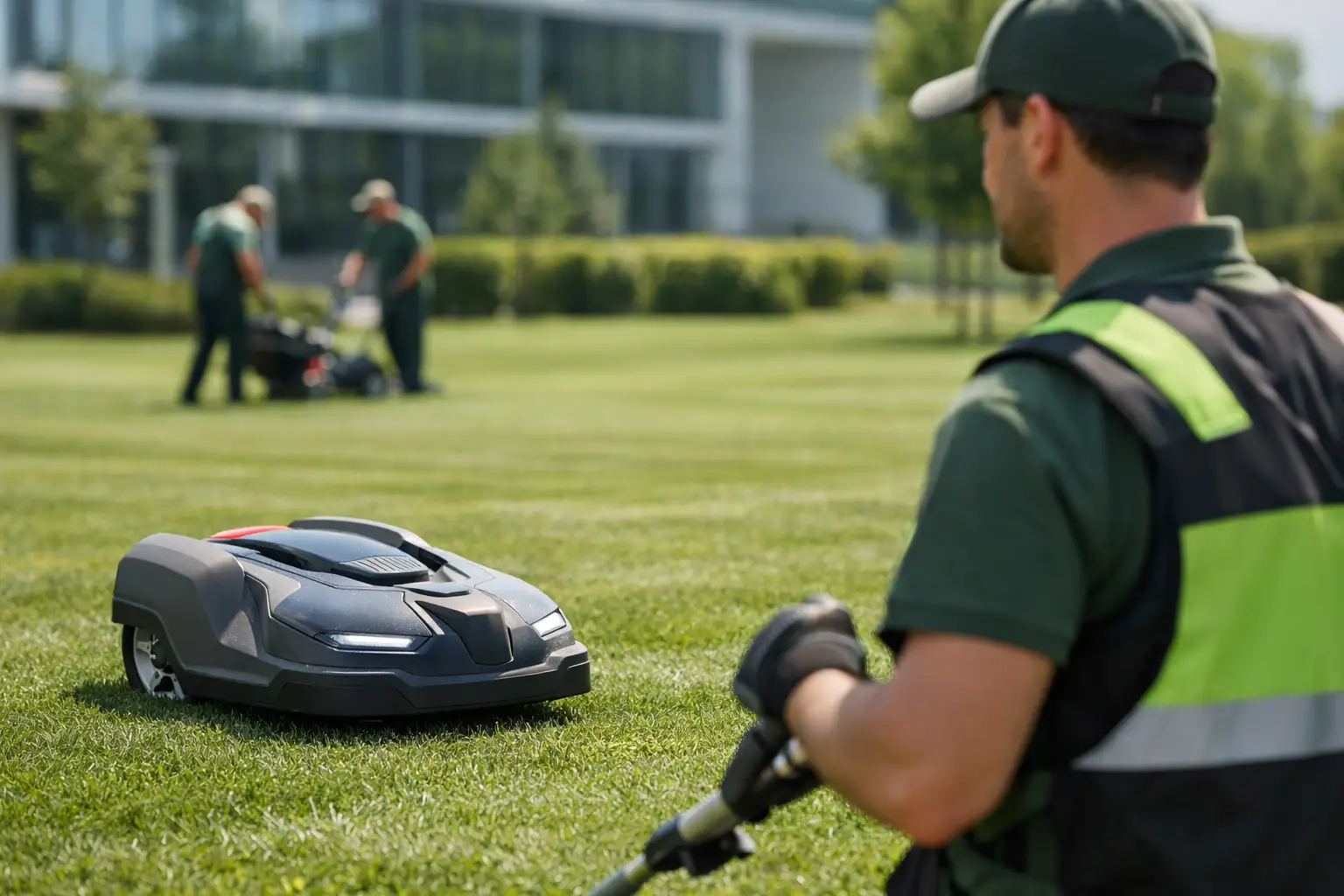
    At 6am on a golf course or sports site, the labour question is rarely theoretical. It shows up as rota gaps, delayed first cuts, rising overtime and skilled staff spending hours on repetitive mowing instead of presentation, repair work and surface management. So, do autonomous mowers save labour? In professional turf environments, the short answer is yes – but not by making labour disappear. They save labour by changing where your team’s time goes, reducing repeat mowing hours and creating a more controlled, predictable maintenance operation.

    Where autonomous mowing actually saves labour

    The biggest labour saving comes from removing long stretches of routine mowing that have to be repeated day after day. Fairways, surrounds, rough, outfield areas and other large managed surfaces consume hours without necessarily requiring a skilled operator to sit on a machine for every pass. An autonomous mower takes on that repeatable workload and does it to a programmed standard.

    For a course manager or grounds manager, that matters because labour is not simply about headcount. It is about skilled hours. If your best people are tied up cutting acreage for much of the week, they are not available for more valuable work such as bunker presentation, detail trimming, disease monitoring, divoting, line marking, irrigation checks or surface preparation ahead of play.

    That is the real shift. Autonomous mowing reduces dependence on manual mowing hours and allows the same team to cover more ground without compromising standards. In many cases, it also reduces the operational pressure caused by sickness, holidays and the wider challenge of recruiting experienced turf staff.

    Do autonomous mowers save labour in high-standard turf settings?

    They can, provided the system is matched to the site and the mowing objective. Professional sites are not domestic lawns. Greens, tee boxes, fairways and marked pitches have clear quality expectations, and labour savings only count if the finish remains commercially acceptable.

    On suitable areas, autonomous mowers save labour because they maintain frequency without requiring an operator on board. Instead of allocating staff to complete each cut manually, the mower continues to work within set boundaries and schedules. The result is a steadier maintenance rhythm. Turf is kept under control with less stop-start pressure on the team.

    This is particularly valuable where daily or near-daily mowing frequency improves presentation and playing quality. Repeated light cutting often delivers a cleaner, more consistent finish than occasional heavier cuts, and automation makes that frequency easier to sustain.

    That said, not every task should be handed to autonomy. Highly detailed presentation work, recovery after extreme weather, one-off renovation support and certain specialist finishes still benefit from direct operator input. The strongest labour model is usually a hybrid one, with autonomous mowing covering repeatable areas while skilled staff focus on the work that genuinely needs judgement.

    Labour saving is not only about fewer hours on a mower

    Many buyers initially frame the question too narrowly. They ask whether one robot replaces one operator. In practice, that is not how labour savings work in turf management.

    The better question is whether autonomous mowing reduces the amount of staff time required to achieve your target standard across the whole site. In most professional settings, the answer is yes. A robot may not remove the need for people, but it can reduce machine hours, ease scheduling bottlenecks and improve labour efficiency across the week.

    There is also a knock-on effect in planning. Manual mowing is vulnerable to interruptions. Staff are pulled onto other jobs, weather windows tighten, and large areas may be completed later than ideal. Autonomous mowing introduces more consistency into the programme. When cutting happens regularly and automatically, managers have greater confidence in what labour is available for the rest of the maintenance schedule.

    That improved predictability can be as valuable as the direct hour saving. Teams become less reactive. Work can be organised around agronomy and presentation priorities rather than around whichever large mowing task is still outstanding.

    Where the strongest savings usually appear

    Large, repeatable areas tend to offer the clearest return. Fairways are an obvious example, as are sports outfields, training grounds, rough management zones and expansive formal turf around institutions or commercial estates. These areas often absorb significant labour because of their scale rather than their complexity.

    On those sites, autonomous mowing can run for extended periods and maintain output without the fatigue, availability limits or scheduling conflicts that come with manual operation. That does not only save labour in direct wages. It can also reduce overtime, lower the need to redeploy experienced staff from higher-value tasks and support a leaner approach to seasonal workload peaks.

    For golf and sports facilities, there is another operational benefit. Early morning mowing windows are often under pressure from fixture schedules, member expectations and play demands. Autonomous systems can help maintain cutting frequency without placing the entire burden on the earliest part of the day.

    The trade-off: labour is reduced, not eliminated

    There is no serious professional case for pretending autonomous mowing is labour-free. Machines still need oversight. Boundaries need to be planned correctly. Blades, batteries and wear components need attention. Site changes, seasonal growth patterns and surface conditions still require management.

    However, the labour attached to an autonomous mower is different from the labour attached to a conventional mowing route. It is generally lower in volume and higher in control. Instead of assigning hours of operator time to every cut, you assign a smaller amount of time to supervision, optimisation and routine support.

    That distinction matters financially. If a skilled operator spends three or four hours manually mowing a defined area, that is a fixed recurring labour cost. If an autonomous unit can maintain the same area with a fraction of that staff input, the labour profile changes materially over a season.

    The more often a site repeats the same mowing task, the stronger that case usually becomes.

    Why labour shortages make the answer more urgent

    Across the UK, skilled grounds staff are not always easy to find or retain. This is one reason the question do autonomous mowers save labour has become more commercially relevant. For many operators, the issue is not only wage cost. It is labour availability.

    If recruitment is difficult, autonomy offers a practical way to protect standards without depending on continual team expansion. Existing staff can be used more effectively, with less time spent on repetitive acreage mowing and more time dedicated to technical turf work, presentation detail and customer-facing quality outcomes.

    For contractors, the value can be even sharper. Labour efficiency affects route planning, margins and contract capacity. If autonomous mowing reduces the hours needed on recurring sites, the same team may be able to service more area or protect margin against rising labour costs.

    What determines whether the labour saving is worthwhile

    The answer depends on five main factors: the type of surface, the size of the area, required finish quality, site complexity and current labour pressure.

    A straightforward, repeatable site with regular mowing demand is usually a strong candidate. A fragmented site with constant obstacles, frequent temporary changes or very limited repeatable area may deliver a slower return. Equally, a venue with stable staffing and low mowing pressure may view the labour saving differently from one already stretched by vacancies and overtime.

    Equipment selection also matters. Professional robotic systems designed for greens, fairways, sports pitches or larger managed turf environments are built around commercial performance expectations. Consumer-grade machines are not a useful benchmark for professional labour analysis.

    This is where specialist providers such as GrassRobotics are positioned differently. The conversation is not about novelty or domestic convenience. It is about selecting autonomous turf-care systems that fit the operational demands of managed sports and amenity surfaces.

    The stronger business case: labour plus consistency

    Labour saving is often the entry point, but consistency is what makes the model stick. If an autonomous mower reduces hours while maintaining a dependable cut, the benefit compounds. Surfaces look more consistent, mowing frequency becomes easier to sustain and teams can spend more time on work that improves overall turf performance.

    That combination is why professional adoption is growing. The value is not just that less labour is required to complete a mowing task. It is that the labour you still have can be used better.

    For decision-makers, that is the practical answer. Yes, autonomous mowers do save labour, especially on repeatable, high-frequency mowing areas where manual cutting consumes skilled hours. The real gain is not replacing turf professionals. It is allowing them to focus on the work that actually needs their expertise.

    If your site is under pressure to maintain standards with a tighter team, autonomy is no longer a future idea. It is a serious operational tool – and often a very sensible place to start is asking which mowing hours your staff should no longer need to spend.

  • Best Golf Green Mowing Systems Compared

    Best Golf Green Mowing Systems Compared

    The best golf green mowing systems are no longer judged on cut quality alone. For most UK courses, the real question is whether a system can hold presentation standards while easing labour pressure, protecting playing surfaces and fitting the wider maintenance programme. That changes the buying decision. A mower that produces an excellent finish for two hours each morning may still be the wrong system if it depends on hard-to-source staff, creates avoidable set-up time or struggles to maintain consistency across the week.

    For course managers and head greenkeepers, that is where mowing systems need to be assessed properly – as operational systems, not just individual machines.

    What defines the best golf green mowing systems?

    On greens, the margin for compromise is narrow. The surface has to be clean, consistent and predictable under play. That means the best golf green mowing systems combine three things: precision of cut, repeatability and practical fit within the maintenance operation.

    Precision is obvious. The mower must follow the surface accurately, maintain a reliable height of cut and leave a uniform finish without excessive stress on the plant. Repeatability matters just as much. A high-performing system is one that delivers the same result on Tuesday as it did on Saturday, regardless of staff availability, shift timing or routine disruption.

    The third factor is where many buying decisions become more complex. A green mowing system has to work around bunker work, hole changes, rolling, irrigation windows, disease pressure and tournament preparation. If the machine performs well on paper but creates friction in the daily schedule, it will not deliver full value.

    Why the old comparison no longer tells the full story

    Traditionally, courses compared pedestrian cylinders against ride-on units, looking at finish, speed and operator preference. That comparison still matters, but it is no longer enough. Labour constraints have become a decisive issue. Many facilities are carrying the same or higher presentation expectations with smaller teams, tighter recruitment conditions and more pressure to prove productivity.

    That is why autonomous and robotic equipment is moving from interest to serious consideration. It is not replacing agronomic judgement. It is reducing dependence on repetitive manual mowing hours and allowing skilled staff to focus on tasks where human input adds the most value.

    This is the key shift in the market. The best system is not always the one with the highest peak performance under ideal conditions. It is often the one that maintains standard most reliably across a full season.

    Main types of golf green mowing systems

    Pedestrian cylinder systems

    Pedestrian cylinder mowers remain the benchmark for many clubs because they offer close control and a finish that experienced operators trust. For championship presentation, they still have a strong place. They are especially useful where green size, contour complexity or surface sensitivity demand careful handling.

    The trade-off is labour. Pedestrian mowing takes time, requires trained staff and can become difficult to sustain consistently when absences or seasonal pressures hit. Output is also tied directly to operator availability, which makes resilience a problem for some sites.

    Ride-on greens mowers

    Ride-on systems improve productivity and can help larger operations cover more ground in a shorter window. On courses with numerous greens, large walk distances or compressed morning schedules, that gain can be significant.

    The balance to consider is surface impact and presentation preference. Some teams prefer the touch and precision of pedestrian units on finer greens, particularly during sensitive periods. On the right site, ride-on mowing is highly effective. On the wrong site, it may solve one operational problem while creating a quality concern.

    Robotic and autonomous mowing systems

    Robotic systems are now a credible option for professional turf care, especially where labour efficiency and consistency are driving priorities. The strongest systems are designed for commercial and institutional use rather than domestic lawns, with the accuracy, reliability and build quality expected on managed sports turf.

    Their value is straightforward. They can maintain routine cutting with repeatable precision, reduce manual mowing hours and support a more stable maintenance schedule. That does not remove the need for skilled greenkeeping. It changes how labour is deployed.

    For greens and closely managed areas, the quality of the system matters. Professional buyers should look beyond the word “robotic” and assess whether the equipment is genuinely built for fine turf standards, not general grass reduction.

    How to compare systems in practice

    Start with labour, not just machinery

    If labour is currently the constraint, that should shape the whole evaluation. A course with reliable staffing and established routines may decide that conventional mowing still offers the right balance. A site facing persistent shortages may find that an autonomous system delivers value faster than expected because it protects standards when staffing is under pressure.

    This is where return on investment becomes more realistic. It is not only about wages saved. It is also about avoided disruption, reduced overtime pressure and the ability to maintain quality through peak demand periods.

    Match the system to the surface standard

    Not every green presents the same requirement. Some venues are preparing for member play with strong everyday consistency as the priority. Others are managing tournament expectations where clipping yield, speed control and visual striping may all carry more weight.

    The best golf green mowing systems are the ones matched to that reality. A highly automated set-up can be an excellent fit where consistency and operational efficiency are the priority. A more manual approach may still suit clubs chasing a very specific presentation outcome under close supervision. Often, the right answer sits between the two, with automation supporting selected areas while conventional equipment remains part of the programme.

    Consider the wider site, not only the greens

    Buying decisions improve when greens are viewed as part of the whole course operation. If the same supplier or technology platform can support greens, tees, surrounds or fairways, the value case becomes stronger. Standardisation simplifies planning, training and service support.

    This is one reason specialist providers such as GrassRobotics are gaining attention in the sector. The conversation is not centred on a single machine. It is about building an autonomous turf-care approach that works across different maintained areas while keeping professional standards intact.

    Where robotic systems make the strongest case

    Robotic mowing tends to make the strongest case on courses where the pressure points are already clear. That includes sites with limited labour depth, multi-course operations, contractor-led maintenance models and venues trying to improve consistency without continually increasing staffing costs.

    It is also compelling where presentation windows are tight. Autonomous mowing can take routine cutting pressure out of the morning set-up, freeing staff for detail work, course set-up and reactive tasks. That shift matters because many teams are not short on expertise – they are short on hours.

    There are, however, conditions to assess honestly. Site layout, access control, charging logistics, operational oversight and the quality expectation of the club all influence suitability. Robotic systems are practical tools, not magic fixes. The best results come when they are specified properly and integrated into the maintenance plan with clear intent.

    Common mistakes when choosing a green mowing system

    One common mistake is buying purely on unit price. Lower capital cost can look attractive until labour, downtime or inconsistent results are factored in. For professional turf managers, total operating value is the more useful measure.

    Another is treating automation as an all-or-nothing change. In reality, many successful transitions happen in stages. A course might automate selected areas first, prove the workflow, then expand coverage once the operational benefit is clear.

    A third mistake is focusing too heavily on brochure specifications and too lightly on use case. Width of cut, battery duration and stated output all matter, but they matter in context. Contours, green access, traffic patterns and the standard expected by members or paying visitors are what determine whether a system truly fits.

    The right question to ask before you buy

    Instead of asking which machine is best in absolute terms, ask which system will maintain your required standard with the least operational strain. That is usually the better commercial question. It connects mowing quality to staffing, scheduling and resilience, which is where long-term value is really created.

    For some courses, that answer will still point to conventional cylinder mowing supported by skilled operators. For others, especially where labour reduction and dependable consistency are now central, autonomous equipment will be the stronger choice.

    The market is moving because course operations are moving. Standards remain high, but the route to achieving them is changing. The best golf green mowing systems are the ones that bring precision and productivity together without asking your team to carry avoidable pressure. If a mowing system gives your staff more time for the work that actually improves the course, it is already doing more than cutting grass.

  • How to Automate Golf Course Mowing

    How to Automate Golf Course Mowing

    Labour gaps rarely appear on the course map, but every course manager feels them. When fairways need cutting, greens must present at the expected standard, and skilled staff are pulled in three directions at once, the question becomes practical very quickly: how to automate golf course mowing without compromising surface quality.

    For most golf facilities, automation is not a single machine replacing a full team. It is a staged change in how mowing hours are allocated, how often key areas are cut, and where staff time creates the most value. Done properly, robotic mowing improves consistency, reduces pressure on labour, and gives the maintenance team more control over quality across the week.

    What automation really means on a golf course

    When people ask how to automate golf course mowing, the assumption is often that one unit will cover an entire site. On a professional golf course, that is rarely the right model. Different playing areas have different cut requirements, presentation standards and traffic patterns. Greens, tees, surrounds and fairways each need their own approach.

    Automation works best when it is matched to task suitability. Repetitive mowing in clearly defined areas is the strongest starting point. Fairways, approaches, tee complexes and selected rough zones are often the first candidates. Greens can also be automated, but only where the mower, cutting system and route control are suited to that standard of finish.

    The operational shift is straightforward. Instead of relying on fixed staff hours and machine availability every morning, the course uses autonomous units to maintain planned areas on a repeatable schedule. The team then focuses on detail work, course set-up, bunkers, irrigation checks, disease response and presentation tasks that still depend on trained judgement.

    Start with area selection, not machinery

    The fastest way to stall an automation project is to start with a product and work backwards. A better route is to audit the course by mowing demand.

    Look first at where labour is repeatedly consumed by routine cutting. Fairways with predictable boundaries, out-of-play rough that still needs consistent management, practice areas and tee surrounds are all worth assessing. The key question is not simply whether a robot can mow the area. It is whether automating that area releases meaningful labour while maintaining or improving the standard expected by members and visitors.

    Topography matters. Steeper banks, pinch points, narrow crossings and heavily trafficked paths may still be manageable, but they affect machine choice and routing logic. So do access arrangements between holes, drainage features and the degree of public interface. A championship venue with tight presentation demands around every edge will assess automation differently from a members’ club focused on stable quality and labour resilience.

    In practice, most successful projects begin with one or two clearly defined zones. That allows the team to validate output, understand scheduling, and build confidence before expanding coverage.

    How to automate golf course mowing in phases

    A phased approach usually delivers better results than full-site change in one step. The first phase should target areas where the return is easiest to measure. Fairways are often strong candidates because they consume significant mowing time and benefit from frequent, consistent cutting.

    Once those areas are running reliably, the course can review second-phase opportunities such as tees, approaches or selected greens. This is where precision becomes more important. Not every robotic system is designed for the same cut quality, clip rate or surface sensitivity, so machine selection must align with the playing area.

    The third phase is workflow integration. By that point, the real benefit is no longer just reduced operator hours. It is the ability to reshape the working day. Staff can start earlier on course conditioning, switch time into hand work where it has more visual and agronomic value, and reduce dependence on finding enough qualified operators during peak growth periods.

    Machine choice should follow turf standard

    Not all robotic mowers belong on a golf course, and professional buyers know the difference quickly. Domestic-style units are not built for the duty cycle, accuracy or finish expected on managed golf turf. Automation on a golf facility needs commercial equipment designed for repeated operation, surface consistency and dependable navigation.

    The biggest consideration is the relationship between mower type and playing surface. Fairways and larger maintained areas may suit one class of autonomous mower, while fine turf requires a more specialised cutting system. If greens are part of the plan, cut quality, striping expectations, clipping management and turning behaviour all need close scrutiny.

    Battery runtime, charging strategy and weather tolerance also affect viability. A machine may look suitable on paper, but if it cannot maintain output during peak seasonal demand, labour savings quickly narrow. Likewise, a mower that performs well on flat, open ground may be less effective on a course with complex edges and multiple transitions.

    That is why consultative selection matters. The objective is not to buy autonomy for its own sake. It is to put the right autonomous platform on the right turf area so the result stands up to professional expectations.

    Navigation, boundaries and site readiness

    Reliable automation depends on reliable control. Before deployment, the course needs clear digital or physical definition of working areas, no-go zones, crossing points and return paths. Water hazards, bunkers, sleeper edges, bridges and drainage channels all need to be accounted for.

    This is where site readiness often decides whether automation feels straightforward or frustrating. Courses with clean boundaries, sensible access routes and stable mowing patterns tend to integrate faster. Courses with frequent temporary changes, congested crossings or poorly defined edges may need some preparatory work first.

    That preparation is not necessarily extensive. Sometimes it means adjusting workflow rather than changing the course. A practice fairway may be easier to automate outside coaching hours. A tee complex may need a refined access route. An approach area may simply need better boundary definition in the setup stage.

    The point is simple: autonomous mowing is highly repeatable, but it depends on a repeatable environment.

    Labour reduction is real, but only if workflow changes too

    One of the strongest commercial reasons to automate golf course mowing is labour pressure. Recruiting and retaining experienced operators is difficult across many parts of the UK, and routine mowing absorbs hours that could be used elsewhere. But automation only creates value if those released hours are actively reassigned.

    If a robotic mower is added while every existing manual pass remains in place, the site carries extra equipment without changing output. The gain comes when the maintenance plan is rewritten around autonomous coverage. That may mean fewer early-morning fairway runs, reduced weekend staffing pressure, or more time for staff to address detail work that lifts overall presentation.

    This is also where expectations need to stay realistic. Automation does not remove the need for skilled greenkeeping. It changes where skill is applied. The best results come from teams using robotics to handle repeatable mowing while trained staff focus on agronomy, playability and visual finish.

    Measuring success properly

    The obvious metric is labour hours saved, but that is only part of the picture. Courses should also measure consistency of cut frequency, improvement in surface presentation, reduction in missed mowing windows, and operational resilience during holidays, sickness and peak growth.

    There are softer but still important gains. Frequent autonomous mowing can help maintain a more even presentation across the week rather than a peak immediately after manual cutting and a visible drop-off later. For many facilities, that consistency matters as much as outright time saved.

    Cost analysis should be done over seasons, not weeks. The case for automation strengthens when viewed against labour scarcity, rising wage pressure, machine fleet utilisation and the cost of failing to maintain standard during busy periods. Courses that look only at purchase price usually understate the operational value.

    Common mistakes when automating golf course mowing

    The most common mistake is trying to automate the hardest area first. Start where success is most likely and where labour return is clear. Another is assuming every part of the course needs the same solution. It does not. Surface requirement should always drive equipment choice.

    A third mistake is treating setup as an afterthought. Boundary definition, route planning and day-to-day operating windows are not admin tasks. They are the basis of performance. Finally, some sites underestimate the importance of staff buy-in. Teams need to understand that autonomy is there to support standards and productivity, not to lower expectations.

    For professional operators, that mindset shift matters. Once the team sees reliable output and freed-up time for higher-value work, robotic mowing stops feeling experimental and starts feeling like infrastructure.

    For golf facilities considering the next step, the most effective move is usually the simplest one: identify one mowing task that is repetitive, time-heavy and clearly defined, then automate it properly. That is often where the wider case for course automation becomes obvious.

  • How to Reduce Labour Costs in Grounds Maintenance

    How to Reduce Labour Costs in Grounds Maintenance

    When a skilled operator spends half the morning on repetitive mowing instead of presentation work, line marking, repairs or turf improvement, labour cost is already running in the wrong direction. For sites under pressure to reduce labour costs grounds maintenance budgets often absorb the strain first – especially across golf, sport and large commercial turf where standards cannot slip.

    The difficulty is not simply hourly wage inflation. It is the combined effect of recruitment pressure, inconsistent labour availability, rising expectations around presentation, and the amount of time tied up in repeatable tasks. If you are managing fairways, tee boxes, rough, training grounds or marked sports surfaces, the real question is not whether labour costs are rising. It is where labour is being wasted, and which work should no longer rely on manual input.

    Where labour costs really build in grounds maintenance

    Most grounds teams do not lose efficiency on specialist tasks. They lose it on frequency. Mowing is the obvious example because it happens constantly, across large areas, and often at times when labour could be better used elsewhere.

    A team may look fully occupied while still being inefficient. One operator is mowing outfield, another is transporting equipment, someone else is covering edging or trimming created by a previous pass, and a supervisor is reorganising the day around weather or staff absence. None of that is unusual. The issue is that repeated manual deployment across predictable tasks creates a cost base that keeps growing without improving output.

    This is why labour reduction should not be approached as simple headcount cutting. In professional turf care, that is usually the wrong lens. The better objective is to shift labour away from repetitive area maintenance and into skilled, higher-value work. That protects standards while improving cost control.

    Reduce labour costs grounds maintenance teams can actually control

    The fastest savings usually come from changing task design, not demanding more from the same staff. If mowing routes, machine choice, hand-off points and operator time are poorly structured, even a strong team will underperform commercially.

    Start with task mapping. On most sites, a relatively small number of activities consume a disproportionate share of labour hours. Large-area mowing, repeated transport between zones, manual cutting of predictable spaces, and reactive rescheduling after weather events are common examples. Once those hours are visible, the next step is deciding which tasks truly need a person on the machine.

    That distinction matters. High-skill work such as presentation detailing, renovation support, surface assessment and problem-solving still depends on experienced staff. Straightforward, repeatable mowing over defined areas increasingly does not. That is where automation has a direct effect on labour cost.

    Why autonomous mowing changes the cost structure

    Autonomous mowing is not just another equipment upgrade. It changes how labour is allocated across the site. Instead of assigning a member of staff to hours of repetitive cutting, the machine completes that cycle independently while the team focuses on work that improves condition, playability and presentation.

    For golf and sports turf operators, the value is practical. Autonomous machines maintain scheduled cutting without requiring constant operator presence. That reduces dependency on available staff for routine area coverage and lowers the operational risk created by sickness, vacancies or seasonal recruitment gaps.

    There is also a consistency benefit. Manual mowing quality can vary by operator, time pressure and fatigue. Robotic systems are designed for repeatable results, which supports a more stable presentation standard across fairways, rough, surrounds or sports surfaces. In commercial terms, that means less labour spent correcting inconsistency.

    This is where many managers see the shift. Labour is no longer consumed by the basic act of keeping grass under control. It is redirected to the areas where human judgement actually adds value.

    The best labour savings come from the right areas first

    Not every zone should be automated first. The strongest return usually comes from large, predictable, high-frequency mowing areas where coverage time is significant and the cutting pattern is consistent.

    On a golf course, fairways, semi-rough, selected rough areas and some approach zones are often strong candidates. On sports sites, training pitches, outfields, and repeat-maintenance areas can offer the clearest gain. The decision should be based on labour intensity, not novelty.

    This is one of the main trade-offs. If a site automates a low-hour area simply because it seems easy, the result may be underwhelming. If it targets the areas absorbing the most operator time, the labour saving is much more visible. That is why professional implementation matters. The goal is not to add robotics to the fleet. It is to remove repeat manual hours from the weekly schedule.

    Scheduling is where hidden labour cost often sits

    Even without adding headcount, many grounds departments carry unnecessary labour cost through reactive scheduling. A day built around machine availability, late weather decisions and ad hoc task switching creates idle time and duplicate handling.

    Autonomous systems improve this because they bring predictability. When routine mowing is pre-planned and handled independently, supervisors can schedule staff against tasks that genuinely require flexibility or judgement. That reduces the stop-start pattern that makes labour expensive.

    The effect is even greater on sites struggling to recruit. If your plan depends on every operator being present, one absence can disrupt the whole week. If repetitive mowing is automated, the team has more resilience. Labour planning becomes less fragile, and overtime pressure often eases with it.

    Labour reduction without compromising turf standards

    For professional buyers, cost reduction only matters if standards hold. Cheap labour strategies often fail because they create visible decline – missed cuts, inconsistent finish, worn staff and delayed reactive work. That is not efficiency. It is deferred damage.

    A better model is to protect quality by using labour more intelligently. Autonomous mowing supports that by keeping cutting frequency high and consistent. Turf appearance can improve because the surface is maintained on a tighter cycle, while the team concentrates on detail, set-up and corrective work.

    There are, of course, site-specific considerations. Complex boundaries, access points, terrain changes and mixed-use scheduling can affect deployment strategy. Some environments benefit from a single autonomous unit covering a defined zone. Others require a broader fleet approach or a mix of robotic and conventional equipment. The right answer depends on acreage, layout, presentation standard and labour pressure.

    That is why a professional grounds operation should assess robotics as part of workflow design, not as a standalone machine purchase.

    How to assess whether automation will pay back

    The basic calculation is straightforward. Look at how many paid hours are currently tied to repetitive mowing across the week, then compare that with the cost of automating those hours and redeploying staff elsewhere.

    But payback is not only about direct wage substitution. It also includes reduced overtime, lower disruption from vacancies, fewer missed maintenance windows, and better use of skilled staff. When a qualified team member is removed from repetitive cutting and reassigned to higher-value work, the return is broader than payroll alone.

    This is especially relevant for sites where presentation drives revenue or reputation. Golf clubs, sports venues and institutional estates cannot simply cut service levels to save money. They need output that stays professional while the labour model becomes leaner. That is where purpose-built robotic mowing stands apart from consumer-grade automation. The commercial case depends on reliability, precision and suitability for managed turf.

    At GrassRobotics, that conversation is typically about matching autonomous equipment to the real workload on site – greens, fairways, pitches, marked surfaces or larger amenity areas – so labour saving is measurable rather than theoretical.

    A practical route to reduce labour costs grounds maintenance managers can defend

    If you need a labour reduction strategy that stands up to budget scrutiny, start with evidence. Measure the weekly hours spent on repetitive mowing. Identify where skilled staff are being used as machine operators rather than turf professionals. Then look at which zones could be maintained autonomously without lowering finish.

    The strongest case usually combines three outcomes. First, fewer paid hours tied to routine cutting. Second, a more stable presentation standard through consistent autonomous operation. Third, better use of experienced staff on tasks that support surface quality, reliability and venue performance.

    That approach is easier to defend internally because it is not based on vague innovation claims. It is based on labour reallocation, operational resilience and turf output.

    Grounds maintenance is becoming more specialised at the same time as labour becomes harder to secure. The sites that respond well will not be the ones asking stretched teams to do more with less. They will be the ones removing low-value repetition from the day and protecting skilled labour for the work that actually needs it.

  • Choosing an Electric Mower for Sports Grounds

    Choosing an Electric Mower for Sports Grounds

    A football pitch at 7am tells the truth about your mowing setup. You can see striping consistency, missed edges, wheel marks, and how well the surface has recovered from the last fixture or training block. That is why choosing an electric mower for sports grounds is not simply a power-source decision. It is an operational decision that affects presentation, labour planning, cutting frequency and the standard players experience underfoot.

    For professional sports turf, the real question is not whether electric mowing is viable. It is whether the machine in front of you can meet the standard your surface demands, day after day, with fewer labour pressures and more predictable output. In many cases, the answer is yes. But the right fit depends on the surface, the site layout and the level of autonomy you actually need.

    What an electric mower for sports grounds needs to deliver

    On managed sports turf, mowing quality is the first test. A machine can offer low noise, lower running costs and reduced emissions, but if it cannot hold a clean, even cut across a marked playing surface, those advantages do not count for much. Football, rugby, cricket outfields and school sports pitches all place different demands on the mowing operation, yet they share the same basic requirement – consistent presentation without compromising plant health.

    That means an electric mower for sports grounds has to do more than replace a petrol or diesel unit with a battery. It needs to deliver repeatable cut quality, work reliably around fixtures and training schedules, and fit into a wider maintenance programme that includes line marking, aeration, nutrition and recovery work. Professional buyers are not looking for novelty. They are looking for dependable output and fewer operational bottlenecks.

    The strongest electric mowing systems also support higher cutting frequency. That matters because regular, lighter mowing generally produces a cleaner finish than infrequent, heavier cuts. On sports surfaces, especially during peak growth, that consistency can make a visible difference to density, ball roll and overall presentation.

    Why more sports sites are moving to electric mowing

    Labour pressure is the obvious driver. Many venues are being asked to maintain high standards with leaner teams, tighter recruitment conditions and less time available for routine tasks. Mowing is essential, but it is also repetitive and time-consuming. Shifting that workload to an electric or autonomous system can release skilled staff for renovation work, repairs, presentation ahead of play and the finer detail that still needs human judgement.

    Running costs are another factor. Electric machines typically reduce fuel use and can simplify parts of the maintenance routine, although that does not mean they are maintenance-free. Blades, drive systems, batteries and software all still need attention. The gain is usually in lower day-to-day operating cost and better use of labour, rather than a total removal of upkeep.

    Noise also matters more than some operators expected. Schools, universities, leisure sites and clubs in residential areas often have narrow working windows. A quieter machine can expand when mowing takes place, especially in the early morning or around public use. That flexibility has practical value when pitches are booked heavily.

    Autonomous or ride-on – which electric approach suits the site?

    This is where the decision becomes more specific. Not every site needs the same kind of machine.

    A conventional electric ride-on or pedestrian mower may suit venues that want lower-emission mowing but prefer a fully operator-led process. That can make sense where layouts change often, access is tight, or the team wants complete manual control over timing and route choice.

    Autonomous mowing, however, changes the labour equation more dramatically. For many sports grounds, especially those with repeatable mowing patterns and defined areas, robotic systems offer the stronger long-term case. They can maintain surfaces continuously or near-continuously, keeping growth under control without tying up staff for hours at a time. That is particularly useful on training grounds, multi-pitch facilities and larger institutional sites where mowing demand is constant.

    The trade-off is planning. Autonomous systems require correct setup, boundary definition, charging strategy and site assessment. If the surface is highly fragmented, regularly obstructed or subject to constant ad hoc change, deployment needs more thought. The best results come when the machine, the site and the maintenance workflow are properly matched.

    Key factors when selecting an electric mower for sports grounds

    Cut quality comes before headline features

    Professional buyers should start with the finish. Rotary and cylinder systems each have their place, depending on the surface and expected standard. If you are maintaining formal sports turf where presentation and clip quality matter, the cutting system should be assessed with the same seriousness as any conventional professional mower.

    It is easy to be distracted by battery runtime, app controls or autonomy claims. Those matter, but they sit behind the core requirement of producing a consistent, accurate cut on the target surface.

    Site size and layout affect productivity

    A single stadium pitch is one thing. A school campus, academy complex or local authority sports hub is another. The more area you need to cover, and the more separate zones involved, the more carefully productivity needs to be assessed.

    Battery capacity, charging cycles, travel between areas and the practicality of managing multiple pitches all influence whether a machine will genuinely save time. A mower that looks efficient on paper can become less convincing if it spends too much of the day travelling, charging or waiting for manual intervention.

    Surface type matters

    Sports grounds are not a single category. Fine turf, reinforced natural turf, community pitches and hybrid surfaces all respond differently to cutting. The mower needs to suit the grass plant, the target height of cut and the expected frequency.

    For example, a system that performs well on regularly maintained football pitches may not be the right answer for more refined surfaces or for areas where stripe definition is part of the visual standard. The mowing specification should follow the surface requirement, not the other way round.

    Reliability matters more than novelty

    If a machine stops unexpectedly on a weekday morning, that is irritating. If it fails before a weekend fixture programme, it becomes a problem for presentation and staffing. Reliability, support and ease of troubleshooting carry real weight in professional environments.

    This is one reason specialist suppliers matter. The right partner should understand sports turf conditions, not simply battery technology. GrassRobotics, for example, positions robotic mowing as a practical professional upgrade because the buying decision is ultimately about output on real turf, not interest in automation for its own sake.

    Where the savings usually come from

    The clearest saving is labour reallocation. Grounds teams still have plenty to do, but routine mowing no longer consumes the same share of skilled time. That can reduce overtime pressure, improve responsiveness around fixtures and allow more attention to detail elsewhere on site.

    Fuel reduction is also meaningful, particularly across larger operations or contractor fleets. Over time, lower energy costs can improve the business case, though the exact result depends on electricity pricing, operating hours and machine type.

    Then there is consistency. A well-deployed electric or robotic mower can cut more frequently and more predictably than a team forced to juggle competing priorities. That steadier mowing pattern often supports cleaner presentation and more uniform turf growth. It is not always the most obvious line in a cost calculation, but it is one of the most valuable operational gains.

    Common mistakes buyers should avoid

    One common mistake is buying to a headline claim rather than a site requirement. “Electric” is too broad to be a specification. The decision needs to be based on cut quality, area capacity, navigation, charging and the actual maintenance standard required.

    Another is underestimating setup. Even excellent machines need proper implementation. Mapping, handover, staff confidence and a clear operating plan all affect the result. If those steps are rushed, the machine may be blamed for problems that are really deployment issues.

    It is also worth avoiding false comparisons with domestic robotic mowers. Professional sports turf demands a different level of durability, precision and output. Consumer-grade experience is not a useful benchmark for managed playing surfaces.

    Is an electric mower for sports grounds the right move now?

    For many professional sites, yes. If labour is stretched, mowing frequency is hard to maintain, or you are looking to improve consistency without simply adding more man-hours, an electric mower for sports grounds deserves serious consideration. The strongest case tends to be on sites where mowing is repetitive, standards are visible and time pressure is constant.

    That said, it is not a one-size-fits-all answer. Some venues will benefit most from a fully autonomous system. Others may prefer an electric machine that remains operator-led. The right decision comes from matching the mower to the surface, the schedule and the working reality of the team.

    The useful way to frame it is simple: if a machine can protect cut quality, reduce labour dependence and keep your surfaces consistently ready for use, it is not just replacing an engine. It is improving how the whole operation runs.

  • Commercial Robotic Mower UK: What Matters

    Commercial Robotic Mower UK: What Matters

    Labour gaps rarely show up on a machinery spec sheet, but every course manager and grounds team feels them. That is why the commercial robotic mower UK market is moving from curiosity to serious consideration across golf, sport and large managed turf sites. For professional operators, the question is no longer whether robotic mowing is viable. It is whether a system can deliver the standard, coverage and control a demanding site actually needs.

    Why the commercial robotic mower UK market is growing

    The pressure is coming from several directions at once. Skilled labour is harder to recruit and retain, seasonal peaks are more difficult to cover, and expectations around presentation have not softened. At the same time, many facilities are being asked to do more with the same budget, or the same work with fewer people.

    A commercial robotic mower changes that equation when it is deployed properly. It does not replace the need for turf expertise. It frees that expertise from repetitive cutting hours and allows teams to focus on presentation detail, agronomy, repairs, set-up and site management. On the right site, the gain is not simply lower labour input. It is more consistent output across the week.

    That matters in environments where missed cuts quickly become visible. Fairways, surrounds, training grounds, formal sports surfaces and large amenity areas all benefit from repeatable mowing frequency. Robotic operation keeps surfaces under control with less dependence on staff availability, weather windows or machine scheduling conflicts.

    What professional buyers should assess first

    The biggest mistake in this category is treating all robotic mowers as broadly comparable. They are not. A professional buyer should start with the turf surface, the expected finish and the operating pattern required.

    A golf green has very different demands from a football training area. A fairway approach area has different priorities again. Striping, clipping management, edge definition, turning behaviour, transport demands and obstacle density all affect suitability. The right machine for one task can be the wrong one for another, even on the same site.

    This is where many consumer-led discussions become irrelevant to commercial decision-makers. Professional robotic mowing is not about whether a machine can cut grass. It is about whether it can hold a standard over time, across the right acreage, at the right quality level, with manageable oversight.

    Cut quality is still the first test

    No productivity claim compensates for poor finish. For golf and sport, the mowing result remains the starting point. A robotic solution must produce a clean, even cut at the required frequency and maintain that result in changing conditions.

    For some sites, rotary performance is the right fit, especially where coverage efficiency and dependable daily presentation are the main priorities. In other settings, cylinder technology is more appropriate, particularly where finer finish and surface precision are central to the specification. The correct answer depends on the area being maintained, the tolerance for variation and the visual standard expected by members, players or clients.

    There is also a practical point here. Frequent autonomous cutting can improve consistency because the plant is being managed in smaller increments rather than through wider peaks and troughs between passes. That can support a neater overall appearance and more stable presentation, provided the machine is matched correctly to the surface.

    Labour saving is real, but it needs the right expectations

    A commercial robotic mower UK operators choose for labour reduction should be judged realistically. The strongest result is usually not a headcount replacement. It is a redistribution of skilled hours.

    That distinction matters. Grounds teams still need to prepare surfaces, carry out line marking, manage inputs, inspect turf health, handle hand mowing where required and respond to wear, weather and event schedules. Robotics removes a large block of repetitive mowing time, especially on areas where high-frequency cutting delivers a clear presentation benefit.

    For contractors and multi-site operators, that can improve fleet utilisation and staffing flexibility. For in-house teams, it can reduce pressure at the start of the day and allow better allocation of people to jobs that visibly affect standards. In a market where reliable labour is one of the hardest inputs to secure, that operational breathing space has value.

    Site fit matters more than headline capability

    The best robotic mower on paper can underperform if the site has not been assessed properly. Terrain, gradients, access routes, isolated sections, crossing points and boundary complexity all affect real-world performance.

    Open, repeatable areas are usually the easiest starting point. Fairways, outfield-style spaces, training grounds and larger formal areas often offer a strong case because the machine can work efficiently with fewer interruptions. More intricate zones can also be suitable, but they demand better planning around navigation, exclusion areas and route logic.

    UK conditions add another layer. Wet weather, softer ground, leaf fall, shorter winter daylight and varied seasonal growth patterns all influence deployment. A serious commercial system needs to be considered in the context of an annual maintenance programme, not just summer performance. Reliability in shoulder seasons often tells you more than a perfect July demonstration.

    Autonomy is only useful if control is practical

    Professional users do not need novelty. They need control that supports operations. That means the robotic system must be manageable by a grounds team, not just by a technician during commissioning.

    Scheduling, area assignment, machine status, stop-start control and performance visibility all matter. So does the ability to adapt quickly around matches, competitions, maintenance works and changing site priorities. If a system is difficult to adjust, it creates friction rather than savings.

    Good autonomous mowing should feel disciplined. It should fit into the site programme, not force the programme to fit around the machine. That is particularly important on sports sites, where training patterns, fixture schedules and protected surfaces can change quickly.

    The commercial robotic mower UK buyers choose should match the use case

    There is no single best commercial robotic mower UK buyers should expect to use everywhere. Professional sites usually need a use-case-led decision rather than a broad category purchase.

    Golf facilities may require different robotic solutions across greens, fairways, tees and rough transitions. Sports venues may need one approach for fine turf and another for larger surrounding areas. Schools, local authorities and institutional estates often prioritise broad productivity and labour reduction, but still need dependable presentation and safe operation around active environments.

    That is why consultative specification matters. A machine should be selected around the work, not squeezed into it. Surface type, acreage, quality standard, traffic levels and staffing structure all influence whether a robotic mower will deliver a strong return.

    Cost should be measured against output, not sticker price

    Commercial buyers are right to scrutinise capital cost. But the more useful calculation is cost against annual output and staffing pressure.

    If a robotic mower allows a team to maintain standards with fewer repetitive machine hours, the value shows up across labour allocation, machine utilisation and consistency of presentation. It can also reduce the operational risk that comes from relying too heavily on a shrinking labour pool.

    That said, not every site will see the same payback period. A high-specification venue with tight quality demands may judge return differently from a broad-acre operator focused on coverage and labour resilience. This is one of those areas where it depends. The right assessment looks at current mowing hours, staffing challenges, machine overlap, expected finish and the surfaces most suited to autonomy.

    Support is part of the product

    For professional operators, support should never be treated as an afterthought. Commissioning, training, setup, seasonal adjustment and ongoing technical backup all shape whether the system performs as expected.

    A serious supplier should understand managed turf, not just machine features. That means speaking in terms of greens, fairways, pitches, presentation standards and operational workflow. It also means being honest about where robotics will deliver strongly and where conventional equipment should still have a place.

    That specialist approach is what separates professional adoption from gadget-led buying. GrassRobotics is positioned around that reality, with robotic mowing solutions selected for commercial turf performance rather than general domestic use.

    Where robotic mowing is heading next

    The direction of travel is clear. Commercial robotics in turf care is moving towards more defined, task-specific deployment across professional environments. The strongest sites will not necessarily be the ones that automate everything first. They will be the ones that automate the right areas with clear operational intent.

    That may mean assigning robotic mowing to fairways and surrounds while keeping other surfaces under conventional control. It may mean using autonomous equipment to protect presentation during labour shortages. Or it may mean building a longer-term model where robotic systems become a permanent part of the maintenance fleet.

    The advantage is not simply that the machine can work unattended. It is that the site gains a more consistent, controllable mowing programme without stretching already pressured teams.

    If you are assessing a commercial robotic mower for a UK site, the useful question is not whether the technology is advanced enough. It is whether the solution fits your surfaces, your standards and your labour reality well enough to earn a permanent place in the operation.

  • Why a Professional Robotic Cylinder Mower Works

    Why a Professional Robotic Cylinder Mower Works

    At 6am, before the first fourball reaches the tee or the first training block starts on the pitch, cut quality is already setting the standard for the day. That is where a professional robotic cylinder mower changes the conversation. It is not simply a way to automate mowing. It is a practical system for producing repeatable presentation, tighter labour control and more predictable turf maintenance across high-expectation sites.

    For professional operators, that distinction matters. Consumer robotic mowing is built around convenience. Professional robotic mowing is built around performance. When surface consistency, striping quality, clipping management and daily labour allocation all affect the end result, the machine has to fit a professional maintenance programme rather than sit outside it.

    What makes a professional robotic cylinder mower different

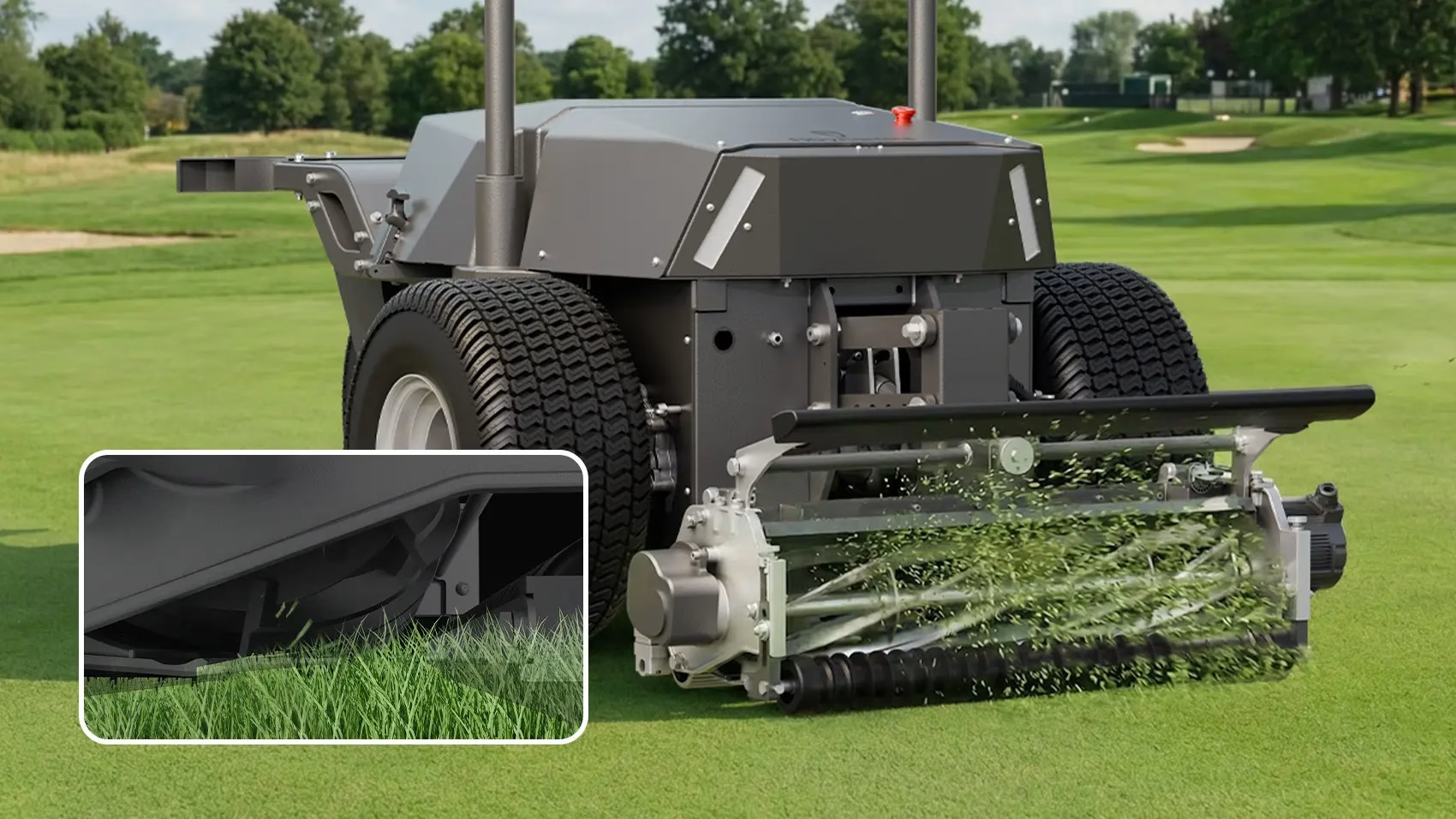
    The cylinder cutting system is the first major point of difference. On greens, tees, surrounds and selected sports surfaces, the requirement is not just to shorten the plant. The objective is a clean, accurate cut that supports ball roll, visual quality and surface uniformity. Cylinder technology remains the standard in these environments because it delivers the finish professional turf teams expect.

    Adding robotics to that format creates a different operational model. Instead of relying on fixed staffing windows and manual machine hours for every pass, the mower can work to programmed schedules and repeatable routes. That improves consistency, but the bigger gain is control. When mowing frequency increases and variability drops, the surface tends to present more evenly and the maintenance team can spend more time on the tasks that still require judgement.

    This is why a professional robotic cylinder mower should be viewed as a turf-care asset, not just a labour-saving device. The cut quality still has to stand up. The machine still has to perform on demanding managed turf. If it cannot do that, the automation is irrelevant.

    Where a professional robotic cylinder mower fits best

    The strongest fit is in environments where presentation standards are high and mowing frequency matters. Golf is the clearest example. Greens, tees and approaches benefit from regular, accurate cutting, and robotic operation can help maintain that standard without putting the entire programme under labour pressure each morning.

    Sports turf is another strong use case, particularly where marked surfaces, repeat mowing patterns and visual consistency are important. Training grounds, stadium support pitches and institutional sports sites often need a dependable mowing routine while also managing staff time across line marking, repairs, irrigation checks and event preparation.

    That said, suitability depends on the site. A simple, open and well-structured area is easier to automate than a fragmented layout with frequent temporary obstacles, erratic access demands or highly variable use patterns. Robotics can still perform well on complex sites, but planning becomes more important. Buyers should assess not only the cutting requirement but also how the machine will move, charge, avoid disruption and integrate with the wider maintenance schedule.

    Cut quality matters more than novelty

    Professional buyers are rarely interested in robotics for its own sake. The real question is whether the machine can hold a line, deliver a clean finish and maintain standards day after day. If the answer is yes, the labour and efficiency benefits become commercially meaningful. If the answer is no, the technology becomes a distraction.

    That is why cylinder robotic mowing has genuine relevance in premium turf settings. It aligns automation with the finish level these surfaces demand.

    Labour reduction is real, but not absolute

    One of the strongest reasons to consider robotic mowing is labour scarcity. Many facilities are trying to maintain more area with fewer skilled staff, while recruitment remains difficult and wage pressure continues to rise. A robotic mower can relieve that pressure by taking on scheduled cutting hours that would otherwise consume a large share of the team’s week.

    But it is worth being precise about what that means. Robotics reduces dependence on repetitive manual mowing. It does not remove the need for turf professionals. The site still needs decision-making, set-up, supervision, quality control and agronomic input. The benefit is that skilled staff can be redirected towards tasks with higher operational value.

    For golf and sports venues, that shift is significant. Time spent hand-mowing every scheduled pass is time not spent on surface preparation, detail work, renovation planning or reactive issues. A professional robotic cylinder mower helps rebalance labour towards those areas.

    Consistency is often the biggest gain

    Labour saving usually gets the headline, but consistency is often the more important outcome. Manual mowing quality can vary with operator availability, time pressure, weather interruptions and machine scheduling. Robotic systems are designed to reduce that variability.

    More frequent cutting can improve presentation and help avoid the peaks and troughs that appear when mowing intervals are stretched. The result is not just a tidier appearance. It can also support more stable surface performance, especially where close management and visual standards are critical.

    For decision-makers, consistency has commercial value. It supports member satisfaction, player experience and facility presentation. It also makes maintenance planning easier because mowing becomes a more controlled background process rather than a daily staffing challenge.

    What to assess before you invest

    A robotic mower should fit the site and the operating model. That sounds obvious, but it is where many technology decisions succeed or fail. Start with the turf areas that drive the most labour demand and the highest expectation. Then look at the practical conditions around them.

    Area size, route complexity, charging access, boundary definition and daily traffic all matter. So does the required finish. A site maintaining greens and formal sports areas has a different specification from one focused on broad-acre rough or general amenity grass. The machine needs to match the mowing objective, not just the site acreage.

    You should also consider how the mower fits existing workflows. If the team already has a strong routine for start-of-day preparation, tournament set-up or matchday sequencing, the robotic system should support that structure rather than complicate it. Good adoption is not about forcing the operation around the machine. It is about selecting equipment that works with the operation.

    The business case is wider than wages

    It is easy to frame return on investment purely in labour hours, but that is too narrow for professional turf management. The value also sits in presentation consistency, reduced scheduling pressure, lower exposure to staffing gaps and more efficient use of skilled personnel.

    There is also a resilience argument. When one operator is absent, annual leave overlaps or seasonal recruitment falls short, a robotic system helps protect the mowing programme. That stability can be just as important as direct cost reduction.

    Why professional sites need specialist equipment

    Professional operators should be wary of treating all robotic mowers as broadly similar. They are not. Consumer and light commercial machines are designed around different expectations, different turf conditions and different duty cycles. On managed golf and sports surfaces, those differences become obvious very quickly.

    Specialist equipment is built around professional requirements such as repeatable precision, sustained output and suitability for fine turf environments. It is also supported with a more consultative approach, because implementation on a working professional site is rarely a simple box-drop exercise.

    This is where a specialist supplier adds value. A business such as GrassRobotics is not presenting robotics as a gadget category. It is positioning autonomous mowing as a serious operational upgrade for golf courses, sports pitches and other high-standard turf environments. That is the right lens for a professional buyer.

    The right question is not whether robotics will replace mowing teams

    It will not. The better question is which parts of the mowing programme should remain manual, and which can be handed over to autonomous equipment without sacrificing standards. On many sites, that answer is becoming clearer. Repetitive, scheduled cutting across defined areas is increasingly well suited to robotic operation. Fine adjustments, presentation decisions and wider turf management remain in the hands of the grounds team.

    That balance is usually where the best results are found. Not full replacement, but smarter allocation of labour and machinery.

    For facilities under pressure to maintain standards with leaner teams, a professional robotic cylinder mower offers a credible route forward. The technology matters, but the real advantage is operational: better use of labour, more dependable presentation and a mowing programme that is less vulnerable to the daily variables that make turf management harder than it needs to be.

    The next step is not to ask whether robotic mowing is the future. It is to decide where it can make your current operation stronger, more precise and easier to sustain.

  • Is a Sports Pitch Line Marking Robot Worth It?

    Is a Sports Pitch Line Marking Robot Worth It?

    Ask any grounds team where time disappears in peak season and line marking quickly comes up. It is repetitive, visible, and unforgiving. A sports pitch line marking robot changes that equation by taking one of the most consistency-driven tasks on site and automating it to a professional standard.

    For schools, clubs, councils and contractors, the appeal is obvious. Fewer labour hours tied up in setting out and remarking. Straighter lines, repeatable layouts and less dependence on one or two experienced operatives. But whether a robot is the right move depends on the site, the sport, the schedule and how line marking fits into the wider maintenance operation.

    What a sports pitch line marking robot actually solves

    At surface level, robotic line marking is about accuracy. In practice, the bigger benefit is control. When pitch layouts are stored digitally and repeated on demand, the process becomes less dependent on manual measuring, string lines and operator judgement. That matters on sites where presentation standards are high and turnaround times are tight.

    A sports pitch line marking robot also helps standardise output across multiple pitches. If one football pitch, rugby pitch or training grid needs to match another exactly, digital mapping removes much of the variation that comes with manual setup. For multi-sport venues and education sites, that consistency can be more valuable than the paint saving alone.

    There is also the labour issue. Most professional turf managers are trying to do more with fewer available hands. Skilled staff are better used on tasks where judgement, turf knowledge and reactive decision-making genuinely matter. Spending hours remarking pitches every week is rarely the highest-value use of experienced labour.

    Where robotic line marking delivers the strongest return

    The strongest case is usually on sites with repeatable workloads. A school with several winter sports pitches, a local authority with multiple marked areas, or a contractor responsible for numerous venues will generally see the clearest operational return. When the robot is used often, setup time is diluted and the labour saving becomes measurable.

    High-standard sports venues also benefit where visual presentation is part of the service expectation. Slightly uneven lines may not affect play in every context, but they do affect perception. Clubs, academies and independent schools are often judged on how well surfaces are presented before a ball is kicked.

    The return is also stronger where line marking is being done by staff who are already under pressure. If your team is stretching to cover mowing, repair work, presentation, irrigation checks and fixture preparation, automating line marking can remove a recurring drain on the week. That can have a knock-on benefit far beyond the marking task itself.

    The trade-off: precision is only useful if the workflow fits

    A line marking robot is not a magic answer for every site. If you only mark a small number of pitches a few times each season, the economics may be less convincing than on a busy multi-pitch operation. Likewise, if layouts change constantly at short notice, you need to consider how easily your team can manage those changes through the system.

    Ground conditions matter too. Wet surfaces, excessive surface contamination, poor preparation or unstable paint performance can still compromise results. Robotics improve repeatability, but they do not remove the need for sound pitch preparation and basic operational discipline.

    There is also a practical question around who owns the process. The best results tend to come when one person or a clearly defined team takes responsibility for mapping, calibration, consumables and scheduling. Without that ownership, even very capable equipment can end up underused.

    Sports pitch line marking robot vs manual marking

    Manual marking still has a place. Experienced operators can adapt quickly, handle unusual shapes and manage one-off changes with minimal setup. On smaller sites, or where budgets are tight and pitch use is limited, manual systems can remain perfectly serviceable.

    The difficulty is consistency at scale. Manual marking relies heavily on operator care, physical setup and available time. If the person doing the job changes, if the weather turns, or if the site is under fixture pressure, standards can drift. Over a season, that variation becomes visible.

    A sports pitch line marking robot shifts the process from operator-led to system-led. That is the core difference. You are not simply replacing a wheel marker with a more advanced machine. You are moving to a method where layouts, dimensions and line paths are repeatable by design.

    For professional operators, that matters because repeatability is what allows planning. It is easier to forecast labour, maintain standards across sites and reduce remedial work when the outcome is not dependent on starting from scratch each time.

    What buyers should look at before investing

    The first question is volume. How many pitches are being marked each week, across how many months, and by whom? If line marking is a frequent, scheduled activity rather than an occasional one, robotics becomes easier to justify.

    The second is complexity. A simple venue with one standard layout is different from a site that switches between football, rugby and training formats, or supports multiple age groups with different dimensions. In those settings, digital layouts and repeatable execution can remove a significant amount of setup time.

    The third is labour structure. If you rely on a small number of experienced grounds staff, every recurring manual task has an opportunity cost. If those staff are already covering presentation mowing, repairs and general maintenance, a robot can free time for work that directly affects turf quality.

    Finally, look beyond the marking machine itself. The most efficient operations are not automating line marking in isolation. They are thinking more broadly about autonomous turf care, where robotic mowing and robotic marking support the same goal – higher standards with lower dependence on manual routine work.

    Why line marking sits naturally alongside robotic mowing

    For many sports sites, the operational benefit of automation compounds when more than one routine task is removed from the weekly schedule. Mowing and line marking are both repetitive, visible and standard-sensitive. When both are handled with precision systems, the maintenance programme becomes more predictable.

    That is where a specialist approach matters. A professional site does not need consumer-grade gadgets. It needs equipment that fits commercial workflows, supports presentation standards and reduces labour pressure without introducing unnecessary complexity. That is the thinking behind solution-led robotic turf care, whether the task is maintaining the sward or marking the playing surface.

    On the right site, robotic mowing can keep surfaces consistently presented between fixtures, while robotic line marking ensures the finish matches the standard of the cut. The value is not only in automation for its own sake. It is in creating a more controlled, less labour-exposed operation.

    Common concerns from professional operators

    One concern is reliability. Grounds teams do not have time for technology that works well in demonstrations but creates delays on site. That is why implementation matters as much as the equipment itself. Clear setup, proper operator familiarisation and realistic expectations are essential.

    Another concern is whether robotics reduce flexibility. In reality, it depends on the site. If your operation is built around repeatable layouts and scheduled maintenance, a robot often improves control. If your venue changes formats constantly and at short notice, you need a system that can adapt without creating admin overhead.

    There is sometimes concern that automation removes craftsmanship from grounds management. The opposite is often true. Repetitive routine work can be automated so skilled staff can focus on the tasks where expertise has the greatest impact – surface performance, recovery planning, presentation decisions and problem-solving under pressure.

    Who should seriously consider one now

    If you manage multiple sports pitches, struggle with labour availability, or need more predictable standards across a busy site, a robotic line marker deserves serious attention. The same applies if you are a contractor looking to standardise output across clients and reduce the time lost to manual setup.

    If, however, your marking workload is low, your layouts are irregular, or your current process is not creating any operational strain, the case may be less urgent. Technology should solve a real maintenance problem, not create a new capital line without a clear return.

    For buyers already looking at autonomous turf equipment more broadly, line marking is often one of the clearest examples of where precision automation can support everyday operations. GrassRobotics works with professional operators who are moving in exactly that direction – not because robotics are novel, but because they are practical.

    The right question is not whether a sports pitch line marking robot looks impressive on site. It is whether it gives your team more control over standards, labour and time. If the answer is yes, it is no longer a future investment. It is a maintenance decision.

  • Robotic Tee Box Mower: Is It Worth It?

    Robotic Tee Box Mower: Is It Worth It?

    Tee boxes expose every weakness in a mowing programme. They sit in full view, carry concentrated traffic, and need a finish that looks deliberate rather than merely tidy. That is why interest in the robotic tee box mower has moved beyond curiosity. For many golf operations, it now sits in the same conversation as labour planning, presentation standards and long-term cost control.

    A teeing ground is a small area, but it creates disproportionate pressure. If cut quality drifts, if the perimeter loses definition, or if mowing frequency becomes inconsistent during busy periods, players notice immediately. The appeal of autonomy is straightforward: repeatable cutting, scheduled operation and less dependence on a shrinking labour pool. The harder question is whether a robotic system genuinely fits the way your course operates.

    Where a robotic tee box mower makes sense

    The strongest case for automation is not simply replacing a walk-behind or ride-on pass. It is removing repeated, low-variation work from the daily routine so skilled staff can focus on presentation detail, setup and recovery tasks. Tee boxes are well suited to that model because the mowing objective is clear, the area is defined, and the expectation is consistency rather than one-off intervention.

    On a course with multiple tees spread across the site, those small mowing jobs add up. Travel time, machine handling, staff allocation and scheduling friction can consume more resource than the square metre total suggests. A robotic tee box mower addresses that inefficiency by maintaining cut frequency without requiring an operator to be present at each cycle.

    That does not mean every teeing ground is automatically a good candidate. Site layout matters. Access routes, transitions between tees, localised slopes, tree cover, irrigation hardware and the relationship between tees and buggy routes all affect whether deployment is straightforward or needlessly complex. A compact, clearly defined set of tees may be ideal. A fragmented setup with awkward edges and frequent congestion may require a more selective rollout.

    The operational value is in consistency, not novelty

    The real gain from robotic mowing is repeatability. Tee boxes benefit from frequent, controlled cutting because presentation depends on a uniform surface and sharp visual definition. When mowing is delayed by staff shortages, weather interruptions or competing priorities, standards tend to fall gradually and then all at once.

    Automation changes that pattern. Instead of fitting tee mowing around bunker work, divoting, course setup and reactive jobs, the task is handled to schedule. That helps maintain a more stable sward appearance, reduces visible surges in growth between cuts and supports a cleaner overall look across the course.

    For golf managers, the commercial value is just as practical. Consistency protects golfer perception. It also reduces the operational risk that a high-visibility area slips because the team is stretched elsewhere. A machine that delivers dependable daily or near-daily attention to teeing grounds can relieve pressure without lowering expectations.

    What to assess before choosing a robotic tee box mower

    A robotic tee box mower should be evaluated as part of a mowing system, not as a standalone gadget. The first question is surface requirement. Teeing grounds vary by course standard, grass type, clipping expectation and desired finish. If the visual target is extremely high and tightly linked to a specific cut presentation, mower type and cutting system need close attention.

    The second question is work pattern. Some courses will want dedicated robotic coverage on selected tees only, especially those nearest the clubhouse or those with the highest play volume. Others will look at wider deployment where robots maintain a broad group of tee boxes continuously. Both approaches can work, but the best choice depends on budget, routing logic and how much labour release the site actually needs.

    Boundary management is another practical factor. Tee boxes often include sharp edges, marker positions, ornamental surrounds or nearby hazards that require a mower to hold a precise working area. A professional robotic solution must manage those boundaries reliably. If the machine constantly needs correction, the labour saving starts to disappear.

    Security and fleet oversight also deserve proper attention. A course is not a closed industrial yard. Equipment may operate in visible public spaces and often outside the narrow window of traditional staffed work. Monitoring, location control and operational planning therefore matter just as much as cut quality.

    The trade-offs are real

    There is no serious case for pretending robotics are a perfect fit everywhere. The strongest objection is usually not mowing performance but integration. A course with highly irregular tee complexes, repeated redesign work, heavy event setup changes or a strong preference for manual touch-ups may find that autonomy handles 80 per cent of the task while the last 20 per cent still needs staff involvement.

    That is not necessarily a reason to reject the technology. It is a reason to judge it properly. If a robotic tee box mower removes most routine cutting hours from the schedule, it can still create significant value even where hand finishing remains part of the standard.

    Weather and seasonal growth patterns also influence outcomes. During peak flushes, mowing strategy needs to be set with enough frequency and capacity to maintain finish. During slower periods, operating schedules may need to adapt to avoid unnecessary wear or inefficiency. Good robotic mowing is not hands-off in the literal sense. It is lower-labour, more predictable turf management with control built in.

    Labour pressure is driving adoption

    Across golf and sports turf, one issue keeps returning: skilled labour is hard to recruit and harder to retain. That challenge is pushing many sites to rethink how routine mowing is delivered. Tee boxes are often among the first areas considered because they are repetitive, presentation-sensitive and expensive to neglect.

    A robotic tee box mower is particularly valuable where experienced staff are being pulled into too many directions at once. If autonomy can take care of repeated mowing cycles, the team can spend more time on course setup, hand detail, disease monitoring, irrigation checks and recovery work after weather or play pressure. That is where experienced greenkeeping judgement creates the most value.

    This is also why professional buyers tend to view robotics as an operational upgrade rather than a cost-cutting gimmick. The aim is not to reduce standards to save hours. The aim is to protect standards when labour availability is no longer reliable enough to support traditional workflows on its own.

    Precision matters more than headline autonomy

    Not all robotic mowing is equal, and professional turf teams know that quickly. What matters on tee boxes is controlled movement, dependable area management and a finish that supports the course standard. Broad claims about automation mean little if the machine cannot deliver stable performance in a live golf environment.

    That is why solution selection should stay tied to the site. Some courses will benefit from a dedicated unit focused on teeing grounds. Others may be better served by a wider autonomous strategy covering tees alongside other formal areas. The right answer depends on how the course is laid out, where labour bottlenecks sit and what level of presentation is expected day after day.

    For that reason, consultative assessment matters. GrassRobotics positions robotic mowing around practical use cases for golf and sports turf because professional buyers do not need novelty. They need equipment that fits the surface, the workload and the standard.

    Should you invest now or wait?

    If your teeing grounds are regularly slipping because the team is stretched, waiting usually has its own cost. Standards become reactive, staff time gets swallowed by repetitive mowing, and the pressure on experienced operators only increases. In that situation, a robotic tee box mower is worth serious consideration now.

    If your current setup already delivers excellent consistency with no labour strain, the case may be less urgent. Even then, the question is not only what works today. It is whether your current model remains resilient through staff changes, rising operating costs and tighter expectations around productivity.

    The strongest robotic mowing projects start with a simple view of the problem. If tee boxes are consuming too much labour for too little strategic return, automation deserves a proper evaluation. When the system, site and surface requirement are aligned, the result is not just less mowing effort. It is more control over one of the most visible standards on the course.

    The useful way to think about a robotic tee box mower is this: not as a machine that replaces greenkeeping judgement, but as one that gives that judgement more room to be used where it matters most.