Category: Blog

  • Autonomous Fairway Mower for Modern Golf

    Autonomous Fairway Mower for Modern Golf

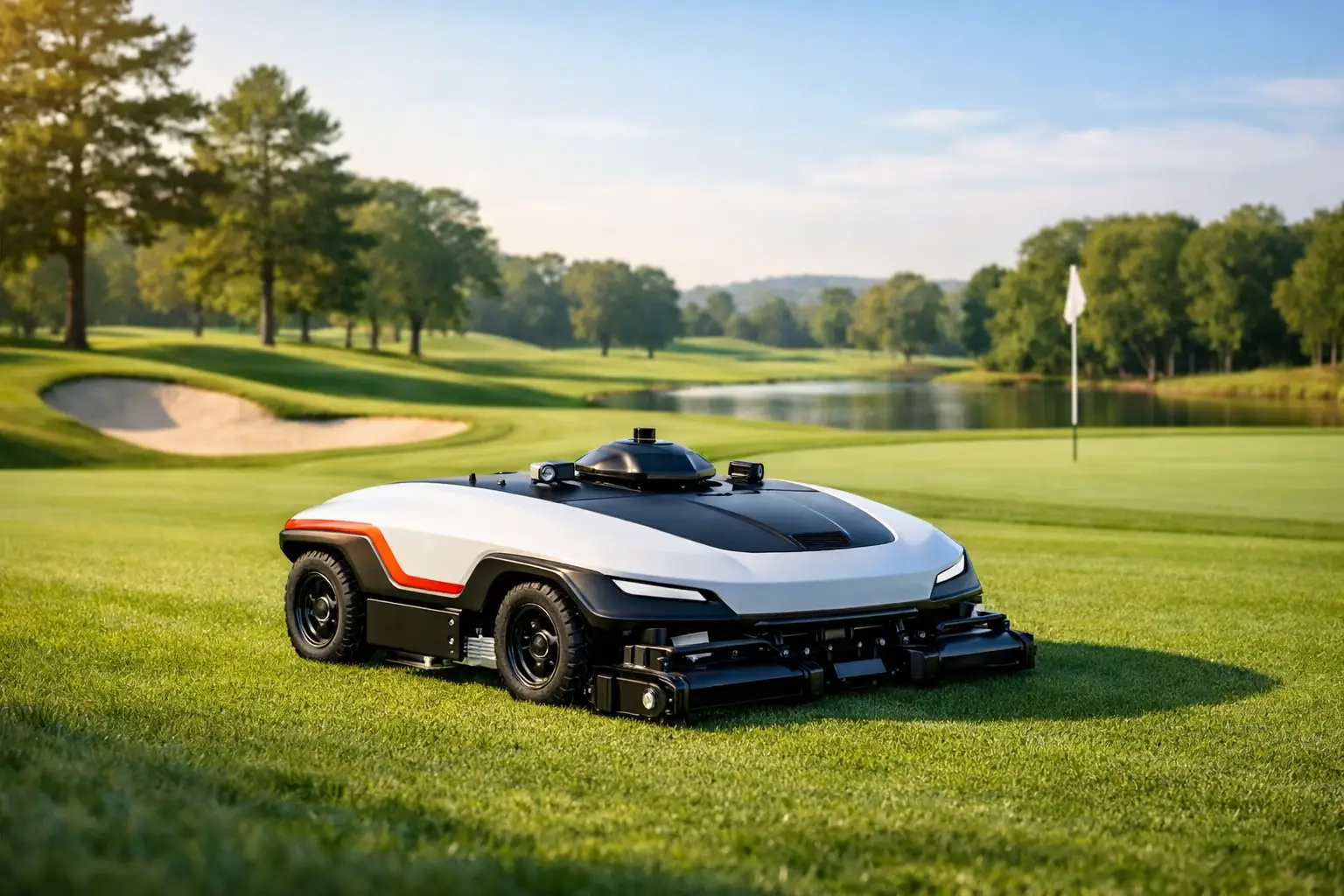
    Fairway presentation rarely slips because standards have changed. It slips because labour is stretched, machine hours are tight, and the window for getting quality work done keeps shrinking. That is exactly where an autonomous fairway mower starts to make commercial sense. For many golf facilities, it is no longer a future concept. It is a practical way to protect cut quality, maintain frequency, and reduce dependence on hard-to-source labour.

    What an autonomous fairway mower changes

    On a golf course, fairways sit in an awkward middle ground. They cover significant acreage, they shape playing quality and visual impact, and they consume a large share of available mowing time. When staffing levels are under pressure, fairways are often where compromises appear first. The cut may still get done, but not always at the ideal frequency, not always at the ideal time, and not always with the same consistency across the whole site.

    An autonomous fairway mower changes that operating model. Instead of tying a skilled team member to repetitive mowing hours, the machine takes on scheduled cutting with repeatable accuracy. That does not remove the need for greenkeeping expertise. It shifts that expertise towards setup, quality control, presentation detail, and wider course management.

    For experienced course managers and head greenkeepers, that distinction matters. The value is not simply that a machine moves without an operator. The real value is that fairway mowing becomes more predictable, less vulnerable to rota gaps, and easier to maintain at a high standard across the week.

    Why fairways are a strong fit for autonomy

    Fairways are one of the most suitable areas for robotic mowing because the task is regular, measurable, and repeated at scale. The route structure is often well defined, the quality standard is consistent, and the productivity gain from removing manual hours is significant.

    That said, suitability depends on the course. A flatter layout with clear fairway corridors and reliable access points is naturally easier to automate than a heavily fragmented site with complex crossings, steep transitions, or high volumes of uncontrolled traffic. Tree cover, signal conditions, bunker edges, wet zones, and pinch points all affect deployment planning.

    This is why the strongest results tend to come from solution-led implementation rather than buying on headline claims alone. A fairway mower needs to fit the terrain, mowing pattern, acreage, and operational routine of the site. The right system can produce major gains. The wrong specification can create friction for the team and inconsistency on the ground.

    Consistency matters more than novelty

    Professional golf operations do not adopt technology for its own sake. They adopt it when it holds a line on standards while improving productivity. In fairway mowing, consistency is the point.

    Autonomous operation supports more regular cutting intervals, and that usually shows in the finish. Rather than relying on whether labour is available on the right morning, the course can maintain a tighter mowing rhythm. That can help with presentation, clipping management, and the general uniformity players notice even if they cannot name the reason.

    The effect is operational as much as visual. A mower that runs to plan each day creates fewer bottlenecks elsewhere in the maintenance schedule.

    The labour question is driving demand

    Most golf businesses are not looking at robotics because they want fewer people. They are looking because skilled people are difficult to recruit, retain, and allocate efficiently. Fairway mowing takes time, and those hours are often spent on routine passes rather than specialist agronomic work.

    An autonomous fairway mower gives that time back. The gain can be used in several ways depending on the course. One venue may redirect labour towards bunkers and detail work. Another may improve greens surrounds, tees, and presentation ahead of member play. A contractor may use automation to support more sites without expanding labour at the same rate.

    This is where the commercial argument becomes stronger than the technical one. If a machine can cover fairway mowing reliably, the team becomes less exposed to absence, recruitment issues, and seasonal pressure. That is a meaningful operational advantage in the current labour market.

    What buyers should assess before investing

    A fairway mower should be judged by outcomes on site, not by generic consumer robotics language. Professional buyers need to assess how the machine will perform against their actual maintenance demands.

    Start with acreage and mowing frequency. A system that looks capable on paper may not deliver the required output once travel, charging cycles, and route complexity are factored in. Fairway quality depends on maintaining the right cutting interval, so capacity planning needs to be realistic.

    Then consider navigation and site control. Accuracy is critical on managed turf, especially where fairway definition, edge quality, and repeatability matter. The mower must operate with dependable positioning and predictable route execution. Small inaccuracies repeated daily become visible very quickly on golf turf.

    Cutting quality also deserves proper scrutiny. Professional surfaces demand more than basic grass reduction. The machine should support the standard expected by players and management, and that means evaluating stripe effect where relevant, clipping handling, finish quality, and performance under varying growth conditions.

    Finally, look at integration into the working day. How easy is it to schedule? How straightforward is supervision? What happens when weather turns, access changes, or temporary restrictions are needed? The best autonomous systems reduce management load rather than adding another layer of complexity.

    Autonomous fairway mower performance in real conditions

    Brochure conditions are easy. Real golf sites are not. Morning dew, changing growth rates, traffic pressure, and mixed terrain all test whether a mower is genuinely ready for commercial use.

    A credible autonomous fairway mower must perform through normal course variability. It should cope with repeated operation over large areas, maintain stable cutting behaviour, and fit around the daily reality of golf operations. That includes avoiding unnecessary disruption to players, fitting around tee times, and working within the practical boundaries of course setup.

    There is also a simple management test. Does the machine help the team stay ahead, or does it create another item that needs constant intervention? Professional turf managers have little patience for equipment that looks advanced but demands excessive babysitting. Reliability is not a side issue. It is central to the return on investment.

    It still needs human oversight

    Autonomy does not mean absence of control. It means the mowing task is carried out with less hands-on operation. The best results still come from a team that understands the course, monitors performance, and adjusts the programme when conditions change.

    That is not a drawback. It is the correct model for professional turf care. Golf courses are dynamic environments, and no serious manager wants blind automation. What they want is dependable machine performance under informed supervision.

    Where the return on investment usually appears

    Return on investment is often discussed too narrowly. Fuel or wage substitution may be part of the picture, but fairway automation usually creates value across several areas at once.

    First, there is labour reallocation. Hours previously absorbed by routine fairway mowing can be redirected to detail work that is harder to automate and more visible to members. Second, there is consistency. Better mowing frequency can improve presentation and reduce the stop-start effect that appears when staffing or weather disrupts schedules. Third, there is operational resilience. The course becomes less reliant on having the right operator available at the right time every day.

    For some sites, the strongest financial case is scale. Large fairway acreage magnifies every hour saved. For others, the value is more strategic. A smaller team can maintain standards that would otherwise drift under labour pressure.

    That is why the right buying decision depends on context. A high-end course may prioritise finish and consistency above all else. A budget-conscious operator may focus on labour savings and dependable baseline quality. Both are valid, but they may point towards different machine choices and deployment plans.

    Why specification matters more than hype

    There is now plenty of noise around robotics in grounds maintenance. Not all of it is useful. Professional buyers should be wary of equipment positioned as autonomous in principle but not engineered for the standards of managed sports turf.

    A serious supplier should talk clearly about application, site fit, capacity, and support. They should understand the difference between mowing a domestic lawn and maintaining fairways that affect playability, presentation, and operational reputation. That specialist focus is where businesses such as GrassRobotics have a clear role in the market. The conversation should start with use case and outcome, not novelty.

    For golf facilities considering the next stage of machinery planning, the question is no longer whether autonomy belongs on course. The more useful question is where it creates the strongest advantage first. On many sites, fairways are the obvious answer because they absorb time, require consistency, and offer clear room for productivity gains.

    The courses that move early are not chasing technology for its own sake. They are making a disciplined decision to protect standards with a more efficient operating model. If fairway quality matters, and labour pressure is not easing, that decision becomes easier every season.
  • Robotic Mower for Sports Pitches: Is It Worth It?

    Robotic Mower for Sports Pitches: Is It Worth It?

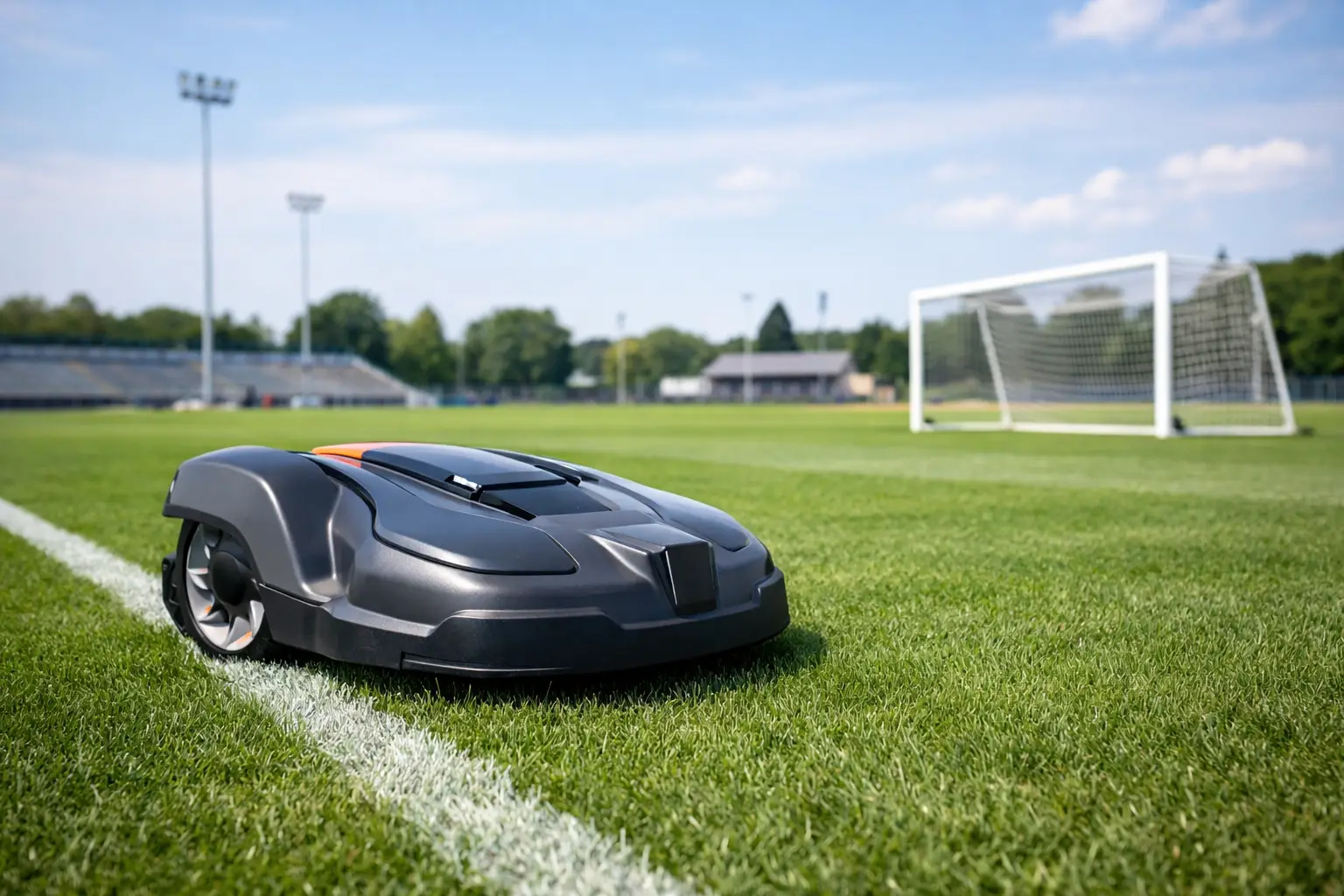
    If your team is still chasing mowing windows between fixtures, training blocks and weather shifts, a robotic mower for sports pitches stops being a nice idea and starts looking like a practical operations decision. For many schools, clubs, local authorities and professional venues, the pressure is not simply to cut grass. It is to hold a reliable presentation standard, protect playability and do it with fewer available labour hours.

    That is where robotic mowing earns attention. Not because it replaces every task in sports turf management, but because it can take one of the most repetitive and time-sensitive jobs and make it predictable. On a sports pitch, predictability matters. Surface consistency, clipping management, presentation and staff deployment all sit downstream from the mowing plan.

    Why a robotic mower for sports pitches is gaining ground

    The biggest change in the market is not the technology itself. It is the labour equation around it. Many grounds teams are operating with tighter staffing, rising cost pressure and greater expectations from users. At the same time, pitches are being asked to do more. More usage, shorter recovery windows and higher visual standards have become normal.

    A robotic mower addresses those pressures by shifting routine mowing into an autonomous process. Instead of assigning staff to repeated cutting passes, the machine handles scheduled mowing while the team focuses on tasks that still require judgement – line marking, surface repairs, disease monitoring, irrigation checks and fixture preparation.

    That labour shift is usually the first reason operators consider automation, but it is not the only one. Consistency is often just as valuable. Frequent cutting at a controlled height can improve presentation and help maintain a more even, managed surface. That does not mean every pitch will instantly perform better simply because the mower is robotic. Grass species, nutrition, usage levels and drainage still matter. But when mowing becomes consistent, the rest of the maintenance programme is easier to control.

    What sports pitch managers actually need from autonomous mowing

    Consumer robotic mowers have made the category familiar, but sports turf is a different standard. Professional operators are not buying novelty. They are buying output.

    A robotic solution for pitches needs to cope with defined cutting areas, repeatable routing, dependable scheduling and a finish that supports the expectations of players, coaches and venue managers. It also needs to fit the site. A flat training grid, a school rugby pitch and a heavily used stadium support area do not present the same requirement.

    This is why product selection should start with the operating environment rather than headline features. Area size matters, but so do access routes, gradients, perimeter definition, obstacle frequency and the number of separate surfaces to maintain. The right machine for a single enclosed pitch may not be the right machine for a multi-pitch facility where movement, charging logistics and daily scheduling become more complex.

    Reliability is another non-negotiable. If a grounds manager is going to trust autonomous equipment on a working sports site, it must perform as a professional asset rather than a gadget. That means stable operation, accurate cutting performance and straightforward management of the mowing programme.

    Cut quality, frequency and the real performance benefit

    The strongest argument for robotic mowing on sports pitches is often the simplest one: little and often works. Instead of waiting for labour availability or dry enough conditions to complete a full pass with conventional kit, the robotic mower can maintain regular cutting cycles that reduce stress on the sward and help keep the surface visually consistent.

    That frequent cutting approach can support denser presentation and tighter control of growth during active periods. It may also reduce the peaks and troughs that come from missed mowing windows. Anyone managing sports turf in the UK knows how quickly growth can move after rain and warmth. If the schedule slips, recovery can take time and extra effort.

    There are limits, of course. A robotic mower is not a substitute for every finish requirement. If your venue requires pronounced presentation patterns for televised use or specific pre-match striping expectations, you may still rely on conventional mowing at key times. Likewise, where conditions are exceptionally wet, heavily worn or affected by renovation work, operational decisions still need human oversight.

    The practical value is that the robot handles baseline mowing demand consistently, leaving the team to intervene where presentation or agronomic conditions require a different approach.

    Labour savings are real, but they are not the whole case

    It is easy to talk about labour reduction in broad terms, but professional buyers tend to ask a more useful question: what does that labour get reassigned to?

    That is the better way to measure value. A robotic mower for sports pitches does not just remove hours from a time sheet. It gives those hours back to higher-value work. On many sites, that means more attention to line quality, in-goal wear, divoting, overseeding, goalmouth repairs and the dozens of details that shape playability.

    For contractors and multi-site operators, the gain can be even clearer. If mowing becomes less dependent on crew presence at every visit, route planning and resource deployment can improve. That can support margin as much as maintenance quality.

    Return on investment still depends on the site. A lightly used single pitch with low presentation demands may not justify a premium autonomous setup in the same way as a busy school estate, sports complex or professional training ground. The more consistent the mowing requirement and the more constrained the labour picture, the stronger the business case tends to be.

    Where robotic mowing works best on sports sites

    Not every sports surface is an identical fit, but several use cases stand out.

    Training pitches are often well suited because they need dependable mowing without always justifying dedicated daily staff time. School and university sites also benefit, particularly where one team manages multiple grass areas with competing priorities. Local authority sites can see value where staffing is stretched and presentation standards still matter to community use.

    Higher-end venues can also benefit, especially on secondary pitches, academy areas or support surfaces where consistency and labour efficiency are both priorities. In those settings, autonomous mowing is not necessarily replacing all conventional equipment. It is strengthening the full maintenance system.

    Integration with wider pitch maintenance

    One of the mistakes buyers sometimes make is treating robotics as a standalone fix. On a sports pitch, mowing quality sits inside a wider programme. Fertiliser planning, aeration, irrigation, disease pressure, renovation timing and usage control still determine long-term results.

    That is why autonomous mowing works best when it is introduced as part of an operating model. You need to consider cut height strategy, clipping behaviour, fixture scheduling and how the robotic unit interacts with line marking and other machine movements. There is also a straightforward practical question: who is checking daily performance, and how quickly can the team respond if site conditions change?

    For professional operators, this is not a drawback. It is simply the reality of good turf management. Better automation supports better systems. It does not remove the need for them.

    Choosing the right robotic mower for sports pitches

    Selection should be disciplined. Start with the surface requirement, then work backwards into the machine.

    Area capacity is the obvious first filter, but not the only one. Consider the finish expected, the frequency required, the complexity of boundaries and whether the mower needs to work across one pitch or several. Think about access and charging arrangements. Assess how often the pitch is in use and how tightly mowing has to be scheduled around players.

    You should also be realistic about whether you need rotary or cylinder performance for the intended standard. On some sites, a rotary robotic mower provides the right balance of productivity and quality. On others, especially where cut definition is more demanding, a robotic cylinder solution may be more appropriate.

    This is where a specialist supplier adds value. The right recommendation is not the biggest machine or the cheapest one. It is the system that matches the standard of surface, the site layout and the labour objective. GrassRobotics positions robotic turf care in exactly that way – as a professional solution aligned to real operating conditions, not a one-size-fits-all product story.

    Is it worth it?

    For many sports facilities, yes – but only when the decision is based on workflow, not hype. If your site struggles to maintain mowing frequency, if labour is difficult to secure, or if staff time is better spent on specialist tasks, a robotic mower can make a measurable difference. The gains usually show up in consistency first, then in labour efficiency, and finally in the overall standard you can sustain with the team you have.

    If, however, your surface demands highly specific presentation effects, your site layout is awkward, or your mowing requirement is too limited to justify the capital outlay, a conventional approach may still make more sense. Professional turf care is rarely about absolutes.

    The more useful question is not whether robotics will replace grounds teams. It is whether autonomous mowing can give your team more control over the standard they are already expected to deliver. On the right sports pitch, that is where the value becomes hard to ignore.

  • Robot mower for golf greens: does it work?

    Robot mower for golf greens: does it work?

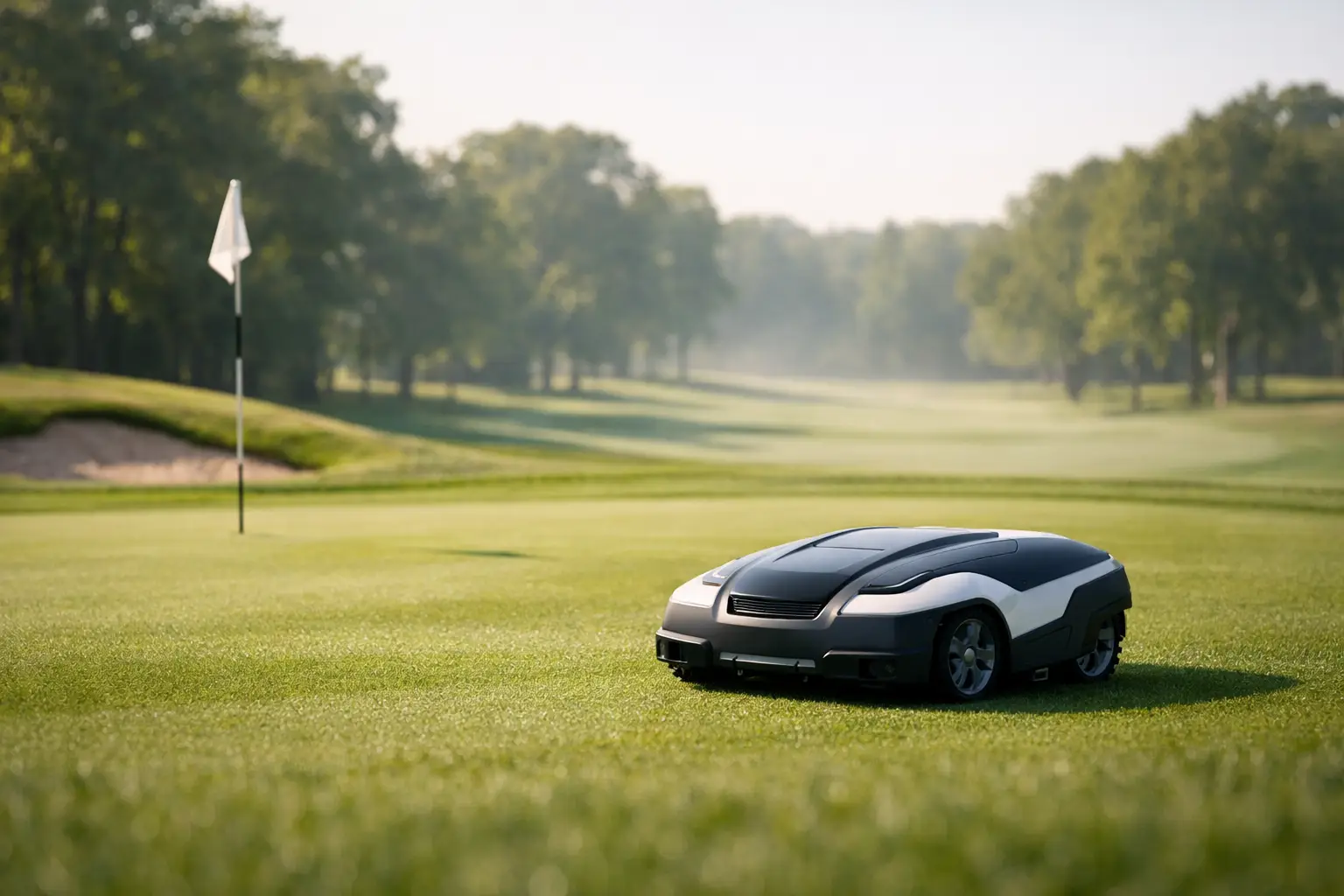
    A missed cut on greens shows immediately. When labour is tight, weather windows are short and presentation standards stay high, the question is no longer whether automation belongs on a golf course. It is whether a robot mower for golf greens can meet the standard your team, your members and your surfaces demand.

    The short answer is yes, but only in the right setting and with the right expectations. Greens are the most exacting turf area on the course. They expose any weakness in cut quality, consistency, tracking or machine setup far faster than fairways or rough. That is why robotic mowing for greens needs to be assessed as a professional turf-care system, not as a simple labour-saving gadget.

    What a robot mower for golf greens needs to do well

    A greens mower is judged on outcome, not novelty. If a robotic unit is going to earn its place in the maintenance plan, it has to deliver a clean, consistent finish at the target height of cut while fitting around existing course operations.

    That means three things matter most. First, cut quality has to be reliable across repeated passes and changing conditions. Second, navigation has to be precise enough to manage defined green shapes without leaving untidy margins or excessive overlap. Third, the machine has to support the wider programme rather than disrupt it, whether that programme includes hand mowing, rolling, verticutting, topdressing or renovation work.

    On greens, consistency often carries more value than outright speed. A robotic system that cuts little and often can help maintain presentation and reduce peaks and troughs in growth management. That is one of the strongest cases for autonomy. Instead of relying on a shrinking labour pool to hit every green at exactly the right time, the course can maintain a more stable cutting routine.

    Where robotic mowing adds value on greens

    The operational case is usually stronger than the novelty case. Most golf facilities are managing some combination of labour shortages, rising input costs and pressure to maintain standards with less room for error. In that environment, robotic mowing starts to look less like experimentation and more like capacity.

    A robot mower for golf greens can reduce dependence on early-morning staffing for repetitive mowing cycles. It can free experienced greenkeeping staff for more skilled tasks such as setup, agronomy, presentation detail and reactive maintenance. That matters because high-value labour should not be tied up solely in repeat cutting when automation can handle part of that workload.

    There is also a consistency benefit that is easy to overlook. Human-operated mowing is only as consistent as staffing levels, shift patterns, fatigue and time available. Robotic mowing does not eliminate the need for skilled operators, but it can reduce variation in frequency and routine. On greens, that steadiness can support presentation and playing performance, especially in periods of strong growth.

    Noise and timing can also work in robotics’ favour, depending on the machine and site constraints. Some courses can use autonomous mowing windows that are harder to cover with conventional equipment, helping teams spread workload without extending pressure on staff.

    The limits of a robot mower for golf greens

    There is no value in pretending every green is an ideal robotic application. Some are. Some are not.

    Complex green surrounds, narrow access points, steep undulations, intense member traffic and highly variable surface conditions can all affect suitability. If a course expects one robotic unit to replace every aspect of greens mowing in every condition, disappointment is likely. The better approach is to assess where autonomous mowing can deliver measurable gains and where conventional methods still have the edge.

    Cut quality remains the critical test. For greens, the machine must be judged against the standard your course is trying to achieve, not against a lower benchmark borrowed from general amenity mowing. If the objective is tournament-level presentation every day, system choice and deployment need to reflect that. If the objective is to protect quality while reducing labour strain across a busy schedule, robotics may prove particularly effective.

    There is also the question of workflow discipline. Robotic mowing works best when the site is prepared for it. That includes clear operating plans, sensible access arrangements, reliable charging or docking logic and a team that understands how autonomy fits into the maintenance operation. A poorly integrated machine can create friction. A well-integrated one can remove it.

    How to assess if your greens are suitable

    The first step is not product comparison. It is site assessment.

    Look at green size, shape and repeatability. Uniform greens with predictable access and manageable boundaries are generally easier to automate. That does not mean irregular greens are excluded, but they demand more from the system and from the deployment plan.

    Next, consider surface expectations across the season. If green speeds, clipping volumes and daily presentation targets shift significantly through the year, the robotic mowing strategy needs enough flexibility to respond. Some courses may use autonomous mowing as a primary method in stable periods and a supporting method during peak stress or event preparation.

    Then review labour structure. If your team is losing time every morning to repetitive mowing that prevents attention elsewhere, that is often where the return appears first. The best result is not simply fewer labour hours on paper. It is more productive use of skilled staff on the tasks that genuinely require judgement.

    Finally, think about integration rather than replacement. Robotic mowing can sit alongside existing equipment and practices. For many professional sites, that is the practical model. Greens are too important for all-or-nothing thinking.

    Why professional-grade equipment matters

    This is where many assumptions go wrong. A consumer robot and a professional autonomous mower may both be called robotic mowers, but the comparison ends quickly once you look at turf expectations, operating demands and output standards.

    Golf greens require equipment built for managed turf, repeat use and precision performance. Navigation accuracy, machine stability, cut system design and operational reliability all matter far more here than they would in a domestic setting. A machine designed for ornamental lawn care is not a credible answer for golf performance surfaces.

    Professional buyers should also look beyond the mower itself. Support, commissioning, setup advice and sector understanding are part of the decision. Courses are not buying novelty hardware. They are investing in a turf-care process. That is why specialist suppliers such as GrassRobotics position robotics as a professional maintenance solution tied to outcomes like consistency, productivity and reduced labour reliance.

    What success looks like in practice

    Success is not simply seeing a machine move across a green. It is seeing better control of the mowing programme with less operational strain.

    On the right site, that can mean more frequent cutting without increasing labour pressure. It can mean fewer compromises when staff are pulled onto bunker work, irrigation issues or tournament preparation. Also it can mean maintaining standards through staffing gaps that would otherwise force difficult decisions.

    It may also mean a more scalable approach across the wider course. Once a facility proves autonomous performance in a high-standard area, the discussion often expands to tee boxes, approaches, fairways or surrounding managed turf. That broader value matters because golf operations rarely have only one pressure point.

    At the same time, success depends on realistic deployment. Some courses will use robotics daily. Others will use them selectively, supporting conventional greens mowing rather than replacing it outright. The right answer depends on the site, the standard and the operating model.

    The real question is not whether it works

    Robotic mowing on golf greens is already credible. The more useful question is whether it works for your surfaces, your labour structure and your maintenance objectives.

    If your course needs to protect presentation while reducing reliance on increasingly hard-to-source labour, a robot mower for golf greens deserves serious attention. If your greens demand absolute flexibility in every weather shift and every tournament window, the role may be more targeted. Either way, the decision should be made on performance, not assumption.

    For professional golf operations, automation is most valuable when it is treated as a practical upgrade to turf maintenance. When the equipment is right and the deployment is disciplined, robotics can add precision, release labour capacity and help maintain the standard players expect. That is the point worth focusing on as the pressure on course maintenance teams continues to rise.

  • What Mowers Do Golf Courses Use?

    What Mowers Do Golf Courses Use?

    Walk behind a greenkeeping team at first light and the answer to what mowers do golf courses use becomes obvious quite quickly – not one mower, but a fleet. A golf course is a mix of very different surfaces, each with its own height of cut, presentation standard, clipping volume and tolerance for traffic. Greens demand a different machine from fairways, tees, collars or rough. That is why serious golf maintenance has always relied on specialist equipment rather than a one-size-fits-all approach.

    For course managers and head greenkeepers, the more useful question is not simply what machine is used, but why that machine is chosen for that surface, that programme and that labour model. The mower has to match turf expectations, site scale, operator availability and the standard the club is selling every day.

    What mowers do golf courses use on each area?

    On greens, golf courses typically use pedestrian or ride-on cylinder mowers. These machines are built to deliver a very precise, clean cut at low heights, which is essential for ball roll, pace and surface uniformity. A cylinder cutting unit shears the grass cleanly, making it the standard choice where finish matters most. On high-performance greens, that precision is non-negotiable.

    Tees and approaches are also commonly maintained with cylinder mowers, although the machine format may vary depending on site size and labour resource. Some courses use dedicated ride-on units to cover more ground efficiently, while others favour pedestrian machines where tighter control or surface sensitivity is a priority. The principle is the same – accuracy, consistency and a refined finish.

    Fairways are usually cut with larger ride-on reel or cylinder mowers designed for productivity across wider areas. These machines often carry multiple cutting heads to maintain striping quality while covering substantial acreage within a practical working window. Fairway mowing is where presentation and output meet, so unit width, follow-ground performance and transport efficiency all matter.

    Semi-rough and rough are more likely to be managed with rotary mowers or heavy-duty flail and rough-cut systems, depending on the finish required. Rotary machines are typically used where clipping volume is higher and the visual standard is less exacting than on closely mown areas. They offer throughput and resilience, particularly in strong growth periods or where the terrain is less forgiving.

    That mix of machinery is the traditional answer. Increasingly, though, there is another layer to it: robotic and autonomous mowing systems deployed alongside or instead of conventional equipment on selected golf surfaces.

    Why golf courses do not use one mower for everything

    Every part of a course is maintained to a different purpose. Greens are about trueness and pace. Fairways need definition, consistency and efficient area coverage. Rough needs control, not tournament-level finish. The machine specification follows that reality.

    Height of cut is one reason. A mower set up for greens cannot simply be redeployed to rough, and a rough mower will never produce the finish required on a green or tee. Ground-following ability is another. Golf surfaces are contoured, and inconsistent contact creates scalping, washboarding or missed grass. Then there is clipping management, operator comfort, turning behaviour, weight distribution and daily output.

    This is why the question what mowers do golf courses use is really about system design. Most courses operate a mowing strategy, not just a set of machines. The best results come from matching equipment to playing surface, labour availability and maintenance goals rather than chasing a single machine that promises to do too much.

    Cylinder vs rotary – the key difference

    For professional buyers, the main distinction is straightforward. Cylinder mowers are used where cut quality is the priority. Rotary mowers are used where productivity, versatility and tolerance of variable conditions are more important.

    Cylinder cutting is preferred on greens, tees and many fairways because it delivers a sharp, scissor-like action and a superior finish at lower heights. It is the established standard for fine turf. The trade-off is that cylinder units demand proper setup, regular grinding and closer attention to adjustment if they are to perform consistently.

    Rotary mowing is more forgiving in heavier growth and less formal areas. It handles volume well and is often simpler in broader utility roles. The trade-off is finish. Even a very good rotary machine is not the first choice where the surface has to present to a high golfing standard.

    For many courses, both technologies remain necessary. The decision is less about which is better in absolute terms and more about where each fits in the maintenance plan.

    Where robotic mowing now fits

    Autonomous mowing is no longer a fringe idea on golf sites. It is becoming a practical response to a familiar operational problem: maintaining consistent standards when labour is expensive, scarce or stretched across too many tasks.

    Robotic mowing works particularly well where repeatability matters. Fairways, surrounds, approaches, tees and selected rough areas can all benefit from consistent, frequent cutting with minimal manual input. Instead of sending a machine out for an occasional heavier cut, robotic systems maintain the surface continuously at the target range. That changes turf behaviour. Clipping volumes are lower, presentation is more even, and the course avoids the peaks and troughs that come with missed mowing windows.

    This matters in the UK climate, where weather disruption is routine and labour planning is rarely straightforward. A robotic mower does not solve every maintenance challenge, but it can take a large, repetitive workload out of the daily schedule. That allows trained staff to focus on set-up, irrigation, course detail, bunker work and agronomic tasks that need judgement rather than repetition.

    For decision-makers, that is the real value. Autonomy is not about replacing standards with convenience. It is about protecting standards when the pressure on labour and time keeps increasing.

    What mowers do golf courses use now compared with five years ago?

    Five years ago, the answer would have been almost entirely conventional: pedestrian cylinders for greens, triplex or ride-on cylinders for tees and fairways, and rotary units for rough. That setup still exists, and on many courses it will remain the backbone of maintenance for some time.

    What has changed is the willingness to integrate autonomous equipment into professional turf operations. Courses are now evaluating mowers not only by cut quality and purchase price, but by labour displacement, run hours, consistency of presentation and ability to maintain surfaces outside staffed working hours.

    That shift is especially relevant on larger sites, labour-constrained operations and venues where appearance has to stay high even when staffing is under pressure. Robotic systems are also being considered more seriously because they are now designed for professional use cases rather than domestic lawns. That distinction matters. Commercial golf environments need reliable navigation, repeatable performance and machine design suited to managed turf, not consumer-grade autonomy dressed up as innovation.

    How courses choose the right mower mix

    No two golf sites are identical, so the right answer depends on scale, layout, surface expectations and staffing structure. A members’ course with modest acreage and a stable team may prioritise dependable conventional machinery with targeted automation. A larger resort or high-output venue may gain more from autonomous fairway or tee mowing where the time savings are significant.

    Terrain also matters. Narrow corridors, complex bunkering, tree cover and fragmented mowing zones can influence whether a machine is practical on a given area. So can presentation expectations. If a club wants strong striping and a highly formal finish on key playing surfaces, the machine choice needs to support that outcome rather than just reduce labour hours.

    Then there is service planning. Conventional fleets require trained operators and routine workshop attention. Robotic fleets reduce operator dependency but introduce a different operating model based on mapping, charging, scheduling and site integration. Neither approach is automatically right in every case. The best result usually comes from combining the two where each has the strongest operational fit.

    That is why solution-led specification matters more than ever. Professional buyers are not just purchasing a mower. They are choosing how the course will be maintained across the season, under real staffing conditions, with real pressure on budgets and standards.

    The future of golf mowing is mixed, not one-directional

    The short answer to what mowers do golf courses use is still this: golf courses use cylinder mowers for fine turf, rotary machines for longer grass, and increasingly robotic mowers where autonomy can improve consistency and reduce labour pressure. The longer answer is that the most effective courses are building a mixed fleet around surface requirements, not habit.

    That opens up a more practical conversation. The question is no longer whether autonomous mowing belongs on a golf course. It is where it delivers the strongest return, where conventional equipment still leads, and how both can work together to raise standards while reducing operational strain. For many UK courses, that is already moving from theory into day-to-day practice.

    If you are reviewing machinery plans for the next few seasons, it is worth looking beyond the headline machine type and focusing on the workload behind it. The mower that makes the most difference is often the one that gives your team more time to protect playing quality where it matters most.

  • Why Do Golf Courses Use Reel Mowers?

    Why Do Golf Courses Use Reel Mowers?

    A golf green cut at 3 to 5 mm leaves very little margin for error. At that height, mowing quality is not just a presentation issue – it directly affects ball roll, plant health and the consistency players expect. That is the real answer to why do golf courses use reel mowers: they produce the clean, precise cut needed for fine turf surfaces where rotary machines would struggle to match the standard.

    For professional turf managers, that decision is less about tradition and more about performance. Greens, tees and closely managed approaches demand a machine that can maintain tight heights of cut without tearing the leaf, bruising the plant or introducing unnecessary surface inconsistency. Reel mowing remains the benchmark because it is engineered around those requirements.

    Why do golf courses use reel mowers on fine turf?

    A reel mower cuts with a scissor-like action. The rotating reel passes against the bedknife and slices the grass cleanly. That is fundamentally different from a rotary blade, which relies more on impact and high-speed cutting.

    On domestic lawns, that difference may be acceptable. On a golf course, especially on greens and tees, it is not. Fine turf species maintained at low heights need a precise cut to reduce stress, preserve leaf integrity and support a smooth, uniform surface. A cleaner cut also helps limit the whitening and frayed appearance often seen when grass is torn rather than sliced.

    The result is visible and measurable. Better cut quality supports truer ball roll, improved visual striping and tighter presentation. For golfers, that shows up as consistency. For course managers, it shows up as surface quality that is easier to maintain across the week.

    The cut quality advantage of reel mowing

    The strongest argument for reel mowers is still the finish. When set correctly, a reel unit follows the surface closely and cuts evenly at very low heights. That makes it the preferred choice for greens, collars, approaches and often tees.

    This matters because golf is played on managed turf, not just short grass. A slight inconsistency in height on a green can affect pace and line. A bruised leaf on a tee can weaken presentation and recovery. Reel mowers are used because they deliver the level of precision these surfaces demand.

    There is also a turf health benefit. Cleanly cut leaf tissue generally recovers better than shredded tissue, particularly during periods of stress. In practice, that can mean a neater finish, less visible damage after mowing and a surface that holds quality more reliably through intensive maintenance cycles.

    Why rotary mowing is not the default for greens

    Rotary mowers have a place in turf maintenance. They are useful for rough, general amenity areas and situations where speed and broad coverage matter more than tournament finish. But they are not usually the first choice for greens because they are less effective at maintaining ultra-low heights with the same standard of cut quality.

    Rotary systems can also create more airflow disturbance and a less refined finish on fine turf. That does not make them poor machines. It simply means they suit different tasks. On a golf course, equipment selection is surface-specific, and reel mowers remain the right tool where precision is critical.

    Low heights of cut require a different machine

    One of the clearest reasons golf courses use reel mowers is that many playing surfaces are maintained below the practical range of rotary equipment. Greens in particular operate at heights where tolerance is tight and adjustment accuracy matters.

    Reel mowers are built for that environment. Their cutting units allow precise height-of-cut control, close surface following and repeatable setup. For head greenkeepers and course managers, that means less compromise. If the target is tournament-level presentation or dependable daily green speed, reel mowing gives operators far greater control.

    It also supports consistency between units and across the site. That matters on facilities where the standard expected on the 1st green needs to match the 18th, and where teeing grounds, approaches and surrounds all have slightly different but equally deliberate mowing targets.

    Surface consistency matters as much as appearance

    The visual finish of reel mowing is obvious, but golf operations are driven by playing performance as well as looks. Smoothness, pace and uniformity all depend on consistent turf height and a dependable cut across the whole surface.

    A reel mower helps achieve that consistency because it is designed to cut rather than strike. On greens, that supports trueness of roll. On tees, it improves presentation and footing. On approaches, it helps maintain the clean transition players expect around the putting surface.

    This is also where disciplined mowing practice becomes operationally important. The machine alone is not enough. Setup, sharpness, clipping management and mowing frequency all affect the outcome. Reel mowers reward good maintenance standards with superior results, which is why they remain central to professional golf turf programmes.

    Why do golf courses use reel mowers instead of switching entirely to rotary or flail systems?

    Because the playing surfaces dictate the machinery. Golf courses are not maintained as one uniform landscape. Greens, tees, fairways, semi-rough and rough all have different performance requirements, different target heights and different productivity considerations.

    That means there is no single mower type that is ideal everywhere. Reel mowers dominate fine turf because they produce the finish those surfaces require. Rotary and flail systems may still be used elsewhere where robustness, throughput or debris handling are bigger priorities.

    For many operators, the more relevant question now is not whether reel mowing remains necessary, but how it can be delivered more efficiently. Labour pressure, rising operating costs and difficulty recruiting skilled staff have changed the economics of turf maintenance. The quality standard has not dropped, but the staffing model often has.

    The operational challenge: reel quality has traditionally required labour

    This is where the conversation has shifted. Golf courses use reel mowers because they need the cut quality. The challenge is that conventional reel mowing is labour-intensive, especially when tight mowing windows and frequent cuts are needed.

    Daily or near-daily mowing on greens and regular work on tees and approaches consume skilled hours quickly. Add transport, setup, cleaning and reactive scheduling around weather, and the operational load becomes substantial. Many sites now face a simple problem: the standard still demands reel mowing, but labour availability makes that harder to sustain consistently.

    That is why autonomous reel mowing has become a serious consideration rather than a novelty. For professional operators, automation is not about replacing standards with convenience. It is about protecting standards while reducing dependence on scarce labour.

    Robotic reel mowing changes the delivery model

    Autonomous cylinder and reel systems make sense in golf because they retain the core benefit of reel cutting while improving consistency and productivity. A robotic reel mower can maintain defined areas to a repeatable specification, support more frequent cutting and release skilled staff for higher-value tasks such as course setup, irrigation, detail work and agronomic interventions.

    That is especially relevant on surfaces where frequency improves quality. Light, regular cutting often produces a better result than heavier, less frequent mowing. Robotics make that scheduling more practical.

    For decision-makers, the value is straightforward. If a site can preserve reel-cut quality while reducing manual hours, improving deployment consistency and easing recruitment pressure, the equipment becomes a performance decision as much as a labour one. That is the case GrassRobotics is built around – applying autonomous precision where fine turf standards cannot be compromised.

    There are trade-offs, and they matter

    Reel mowers are not maintenance-free. They require accurate setup, regular grinding or backlapping, bedknife management and proper calibration. If a reel unit is poorly adjusted, cut quality deteriorates quickly. A bad reel cut can be just as problematic as using the wrong mower in the first place.

    They are also not the right answer for every area in every condition. Wet weather, heavy contamination, coarse grass types and neglected surfaces can affect performance. On some fairways or secondary areas, rotary equipment may still be the more practical choice depending on the finish required and the resources available.

    That is why equipment strategy should follow the surface requirement, not the other way round. The question is not whether reel mowers are universally best. It is whether the area being maintained needs the level of precision they provide. On golf greens and other closely managed playing surfaces, the answer is usually yes.

    The real reason reel mowers remain standard on golf courses

    Golf courses use reel mowers because fine turf performance depends on cut quality, precision and consistency. Those surfaces need a machine that can maintain low heights cleanly and repeatedly, without compromising plant health or playing standard.

    That has been true for decades, but the operating model is changing. The modern opportunity is to combine reel-cut quality with autonomous delivery, giving golf facilities a practical way to maintain standards while managing labour and productivity more effectively.

    For course operators planning the next stage of their maintenance strategy, the key question is no longer whether reel mowing matters. It is how to deliver that standard more efficiently, more consistently and with less pressure on the team every morning.

  • How Much Does a Robotic Mower Cost?

    How Much Does a Robotic Mower Cost?

    Price only becomes meaningful when it is set against hectares cut, labour hours removed and the standard of finish required. That is the right context for asking how much does a robotic mower cost, particularly in golf, sport and institutional turf where presentation, consistency and operational efficiency all matter.

    For a professional buyer, the short answer is that costs vary widely. A robotic mower for managed turf is not a single category with a single price point. The investment depends on whether you need autonomous mowing for greens, fairways, tee boxes, sports pitches, rough, or mixed-use areas, and whether the priority is striping quality, close cylinder presentation, output, or labour reduction across larger estates.

    How much does a robotic mower cost in professional turf care?

    In commercial and institutional settings, the cost of a robotic mower usually sits well above domestic machines and for good reason. Professional units are designed for larger areas, tighter tolerances, repeatable performance and more demanding operating schedules. They are expected to work reliably across complex sites rather than trim a straightforward back garden.

    At the entry end of professional automation, smaller or more targeted systems can represent a lower initial outlay where the application is tightly defined. At the more advanced end, a fleet-based or specialist setup for golf or sports surfaces can become a significant capital investment. The gap between those two positions is driven less by branding and more by the nature of the mowing task.

    That distinction matters. A facility manager looking to automate a marked sports surface has a different requirement from a golf operation maintaining multiple areas with distinct cutting regimes. Treating all robotic mowers as comparable leads to poor budgeting and, often, the wrong specification.

    What actually drives robotic mower cost?

    The biggest factor is site requirement. Surface area is important, but it is only one part of the picture. A large, simple expanse of grass can be easier and cheaper to automate than a smaller site with multiple boundaries, high traffic, steep transitions, isolated zones and demanding presentation standards.

    Cutting technology also has a major effect on price. Rotary systems suit many applications where productivity and routine maintenance are priorities. Cylinder-based robotic mowing sits in a different category, particularly where golf greens or other fine turf surfaces demand a cleaner, more refined finish. If the expected quality of cut is close to what an experienced operator would deliver with specialist equipment, the machine and its control systems need to be built accordingly.

    Navigation and guidance are another cost driver. Consumer machines often rely on simpler boundary-based approaches. Professional systems increasingly use advanced positioning, intelligent route planning and more structured site management. That improves repeatability, coverage and control, but it also raises the level of engineering and support behind the machine.

    Battery capacity, charging strategy and working autonomy influence pricing too. A machine intended to maintain larger areas on a disciplined schedule needs enough endurance to deliver practical output, not just nominal runtime. In a professional environment, the question is not whether it can mow, but whether it can mow enough, often enough, with minimal interruption.

    Finally, the level of integration around the machine matters. Commercial buyers are not just purchasing hardware. They are buying a mowing solution that may include site assessment, setup, commissioning, safety planning, training and ongoing support. That is particularly relevant for golf courses, schools, local authorities and sports venues where operational reliability matters as much as the machine itself.

    Upfront cost versus total cost of ownership

    The wrong way to assess robotic mowing is to compare capital price against a conventional pedestrian or ride-on mower in isolation. The more useful comparison is total cost of ownership over several seasons.

    A robotic system changes the cost profile of mowing. It may increase upfront spend while reducing recurring labour demand, fuel use in some cases, routine operator time and the disruption that comes with labour shortages. For many professional sites, that shift is the real commercial case.

    If a robotic mower allows a team to redeploy labour from repetitive cutting into presentation work, repairs, bunker maintenance, line marking or general site standards, the value is immediate even before pure wage savings are counted. In a tight labour market, resilience becomes part of the return. A machine that reliably covers planned mowing windows reduces dependence on finding and retaining additional operators for routine work.

    There are still running costs, of course. Blades or cutting components, servicing, software support, replacement parts and battery life all need to be considered. Robotic mowing is not maintenance-free. It is better understood as a more controlled, more predictable maintenance model.

    Why price varies so much between sites

    Two venues with similar acreage can receive very different quotations. That is not unusual. It reflects the fact that professional turf is defined by standard, not just scale.

    Take a golf course. If the requirement is autonomous support across fairways or rough management, the machine specification will differ from a setup intended for greens or tightly presented tee surrounds. The latter demands far more from cut quality, route precision and turf interaction. The investment will follow that requirement.

    The same is true in sport. A school or training ground may prioritise reliable area maintenance and reduced labour pressure. A stadium-adjacent or elite training venue may need more exact presentation, defined patterns and consistency that aligns with match preparation. Both are robotic mowing use cases, but not remotely the same purchase.

    Terrain, access and site segmentation also affect price. Narrow passages, separated zones, public interfaces and areas that require stricter operational controls can all increase setup complexity. That does not make robotics less viable – in many cases it makes them more valuable – but it does influence system design and cost.

    When a lower-cost machine is the wrong economy

    There is a clear temptation to look for the cheapest route into automation. For professional turf managers, that approach usually creates more problems than it solves.

    A lower-cost unit that cannot meet finish requirements, cope with site demands or deliver enough daily output does not save money. It simply shifts the burden back onto the team. Manual intervention rises, quality becomes inconsistent and confidence in the system drops. Very quickly, the site is paying for both the robot and the labour it was meant to reduce.

    This is where specification discipline matters. If the objective is to protect greens quality, maintain striped sports surfaces or automate larger acreage to release skilled staff for higher-value tasks, the machine has to be matched to that objective. Professional robotic mowing works best when it is treated as a performance decision, not a gadget purchase.

    How to budget for a robotic mower properly

    The most reliable budgeting approach starts with the mowing problem, not the machine. Define which areas are candidates for automation, what quality standard they must meet, how many labour hours are currently tied up in those areas and what operational constraints exist across the site.

    From there, assess whether you need one machine, multiple machines or a phased rollout. Many operators do not need to automate everything at once. A targeted first phase can deliver measurable productivity gains while building confidence in autonomous maintenance. That might mean starting with a specific fairway programme, selected sports pitches or a set of repeatable areas where labour pressure is highest.

    It also helps to be realistic about outcomes. The best robotic mower is not always the one that replaces every conventional process. Often, it is the one that removes enough repetitive work to let a lean team operate to a higher standard overall. That is a more commercial way to look at cost.

    For buyers evaluating specialist systems, consultative suppliers such as GrassRobotics can be useful because the conversation starts with site fit, output and turf expectations rather than headline price alone. That tends to produce better decisions and fewer false economies.

    How much does a robotic mower cost if ROI is the priority?

    If return on investment is the main concern, the answer comes down to how quickly the machine reduces cost or improves productivity in a measurable way. Sites with high routine mowing demand, rising labour pressure and clear standards to maintain often see the strongest case. The more repetitive and predictable the mowing task, the easier it is to quantify value.

    ROI is usually strongest where a robotic mower can either replace a significant share of routine operator time or improve consistency in a way that protects the quality of the surface. On golf sites, that may mean dependable, repeatable mowing windows and less variation between operators. On sports sites, it may mean more consistent surface presentation with fewer staffing bottlenecks.

    The key point is that price and value are not the same thing. A more expensive machine with the right output and finish can be the cheaper decision over time. A cheaper machine that underperforms rarely stays cheap for long.

    The better question is not simply what a robotic mower costs, but what it allows your operation to do with greater precision, fewer labour constraints and more control over turf quality. That is where the investment starts to make sense.

  • Robotic Mowers for Golf Courses

    Robotic Mowers for Golf Courses

    A missed cut window on a busy course is rarely caused by a lack of standards. More often, it comes down to labour pressure, weather disruption and the sheer number of playing surfaces competing for attention. That is exactly why robotic mowers for golf courses are moving from trial projects to serious operational consideration across Great Britain.

    For course managers and head greenkeepers, the question is no longer whether autonomy can cut grass. It can. The real question is where it fits, what it replaces, and how it improves presentation without creating new complications elsewhere in the maintenance programme.

    Why robotic mowing now makes sense on golf courses

    Golf maintenance has always been a precision job shaped by timing. Greens, tees, surrounds and fairways all have different demands, yet the pressure on labour, budgets and consistency keeps rising across every area of the course. Recruitment is difficult, seasonal cover is unreliable, and routine mowing still consumes a large share of available hours.

    Robotic mowing addresses that pressure in a practical way. It shifts repeat cutting work to autonomous equipment, allowing skilled staff to focus on tasks that genuinely require judgement – course set-up, irrigation management, disease monitoring, bunker presentation and finer turf work. That labour reallocation is often the strongest commercial case.

    There is also a turf-quality argument. Frequent, controlled mowing supports a more even presentation and a more predictable finish than a schedule shaped purely by staff availability. On golf surfaces, consistency is not a cosmetic extra. It affects ball roll, player perception and the standard the club presents to members and visitors.

    Where robotic mowers for golf courses deliver the most value

    Not every area of a course should be treated the same, and robotic deployment works best when matched to the site rather than forced across it.

    Fairways and large open areas

    Large fairway acreage is where autonomy often produces the clearest productivity gain. These are high-hour mowing zones, and they can absorb repeated autonomous cutting with minimal disruption when the site layout is suitable. The benefit is not simply reduced machine time. It is the ability to keep fairway presentation consistent without tying up staff for long routine passes.

    That said, fairway suitability depends on obstacles, crossing points, narrow links between holes and how much public or buggy movement the route sees. A well-planned autonomous system can cope with complex spaces, but badly matched deployment creates avoidable inefficiency.

    Tees, approaches and surrounds

    These areas are often strong candidates because they demand consistent presentation and regular attention, yet they do not always justify a skilled operator spending hours on repetitive cutting. Robotic mowing can maintain a dependable standard while freeing the team for more visible detail work elsewhere.

    The main consideration here is finish quality and the type of cut required. In some situations, rotary autonomy is ideal for maintaining presentation. In others, especially where a tighter formal finish is expected, a robotic cylinder solution may be the better fit.

    Greens and high-specification surfaces

    Greens are where buyers rightly become more demanding. The margin for error is smaller, presentation standards are higher, and the mowing result must support playing performance, not just appearance. This is why product choice matters far more than the generic idea of a robot.

    For greens, the conversation should focus on cut quality, repeatability, surface protection, route accuracy and the mower’s suitability for fine turf conditions. A professional autonomous greens mower is a very different proposition from a domestic robot scaled up for commercial claims.

    The operational benefits beyond labour saving

    Labour reduction gets attention because it is measurable, but it is not the only advantage. Autonomous mowing can improve the wider maintenance operation if it is introduced properly.

    First, there is scheduling stability. A robot does not call in sick, need covering at short notice or lose productivity through routine fatigue. It works to a planned programme, which makes the mowing schedule more predictable across the week.

    Second, there is consistency of cut frequency. More frequent mowing with lighter clipping removal can support cleaner presentation and reduce the peaks and troughs that appear when surfaces are cut around staffing constraints.

    Third, there is machine utilisation. Conventional fleets often spend significant time idle between planned use periods, while autonomous equipment is deployed specifically to maximise productive cutting hours. That changes the economics of routine mowing.

    Finally, there is site resilience. When staffing is stretched, clubs often prioritise the most visible surfaces and accept compromise elsewhere. Robotic support helps protect standards across the full course rather than only the headline areas.

    What to assess before investing

    The strongest results come from a site-led approach, not a product-first decision. Before choosing robotic mowers for golf courses, operators should assess the working environment with the same discipline they would apply to any major equipment purchase.

    Start with the mowing map. Which areas are repetitive, time-heavy and suitable for autonomous operation? Which surfaces need close human supervision? Which routes are straightforward, and which create access or safety complications?

    Then consider the standard required on each surface. Greens, tees and fairways may all be mown autonomously, but not with the same machine or the same mowing logic. Quality expectations should drive specification.

    Infrastructure matters as well. Charging arrangements, site connectivity, boundary management, transport between areas and integration with existing maintenance routines all affect whether the system improves operations or simply adds another layer to manage.

    Support should not be overlooked. Professional users need dependable set-up, commissioning and after-sales guidance, especially when deploying autonomy across a live golf environment. The technology may reduce routine labour, but it still needs the right implementation.

    Common concerns and the reality behind them

    Scepticism is healthy, particularly in golf. Maintenance teams are judged on results, not on how innovative the equipment sounds.

    One common concern is that robotic mowing will compromise finish quality. That depends entirely on choosing the right solution for the right surface. Professional autonomous mowing is now capable of delivering a standard that fits serious golf operations, but the machine category must match the turf requirement.

    Another concern is disruption to play. In practice, this comes down to planning, programming and the areas being managed. Autonomous mowing should work around the golf operation, not force the golf operation to work around the machine.

    There is also the question of return on investment. The answer varies by course size, staffing model and current machinery costs. On some sites, the value is driven by reduced labour dependency. On others, it comes from maintaining standards without increasing headcount or replacing multiple conventional mowing hours. The commercial case is real, but it is not one-size-fits-all.

    Choosing a professional solution, not a consumer product

    This is where many comparisons go wrong. Golf courses do not need lighter-duty garden technology with a commercial label attached. They need purpose-built autonomous equipment designed for managed turf, defined surfaces and repeatable professional outcomes.

    That means looking at more than headline battery claims or autonomous marketing language. The relevant questions are simpler and more practical. Can the machine maintain the required finish? Can it operate reliably across the intended terrain? Can it support the club’s labour model? Can it be deployed at a scale that justifies investment?

    A specialist supplier matters because golf sites are rarely generic. The right recommendation for a greens programme may not be the right answer for fairways or semi-rough. A consultative approach is usually the difference between a system that works and one that becomes a compromise.

    GrassRobotics positions this correctly – as a professional turf-care upgrade tied to specific surfaces, workloads and output standards, not as novelty automation.

    The future of golf maintenance is selective autonomy

    Autonomy is not about removing the greenkeeping team from the course. It is about applying labour where skill has the greatest value and using precision automation where repetition consumes time without adding expertise.

    That is why the most successful adoption tends to be selective. A course may begin with fairways, then extend to tees or approaches, or introduce a dedicated autonomous solution for greens where the specification is right. This staged approach reduces risk and allows the maintenance team to build confidence while measuring the operational benefit.

    For many clubs, the smartest move is not a wholesale fleet replacement. It is identifying the surfaces where robotic mowing immediately improves productivity, consistency and labour resilience. Once those gains are visible, the case for broader deployment becomes much clearer.

    Golf course maintenance will always depend on skilled people making informed decisions about turf, playability and presentation. Robotic mowing simply changes who – or what – handles the repetitive cutting hours, and that shift is becoming harder to ignore.